


Walk beyond Bhutan’s familiar valleys on a private 10-day journey that brings together monastery life, village hospitality, quiet mountain roads, and one of the country’s most remote western treks.
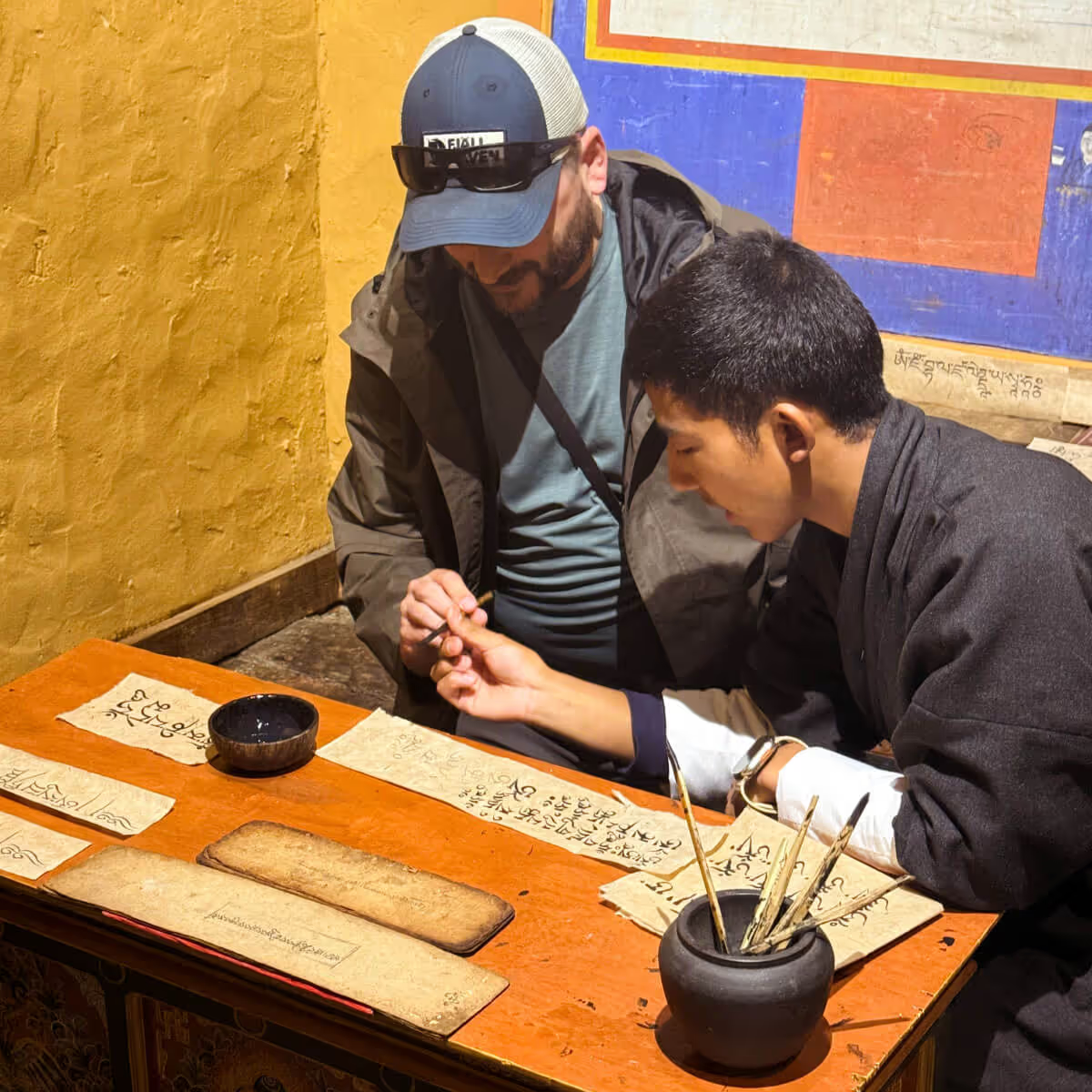
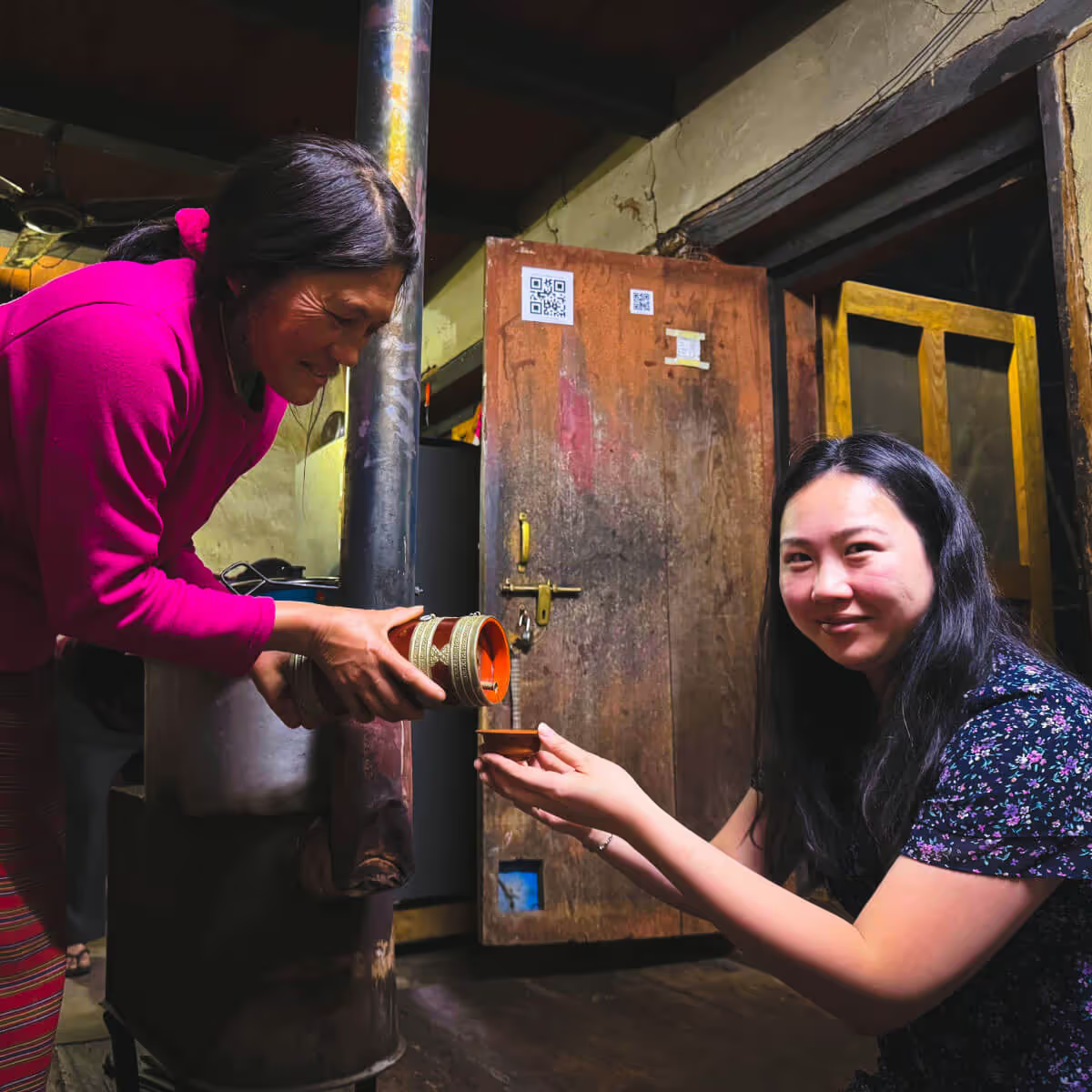
Your journey begins in Thimphu, where sacred places, traditional art, and an overnight stay at Dodeydra Monastery offer a gentle introduction to Bhutan’s spiritual rhythm. Continue through Dochula Pass to Punakha, where rivers, farmhouse hospitality, home cooking, and Raven’s signature cultural encounters bring you closer to village life.
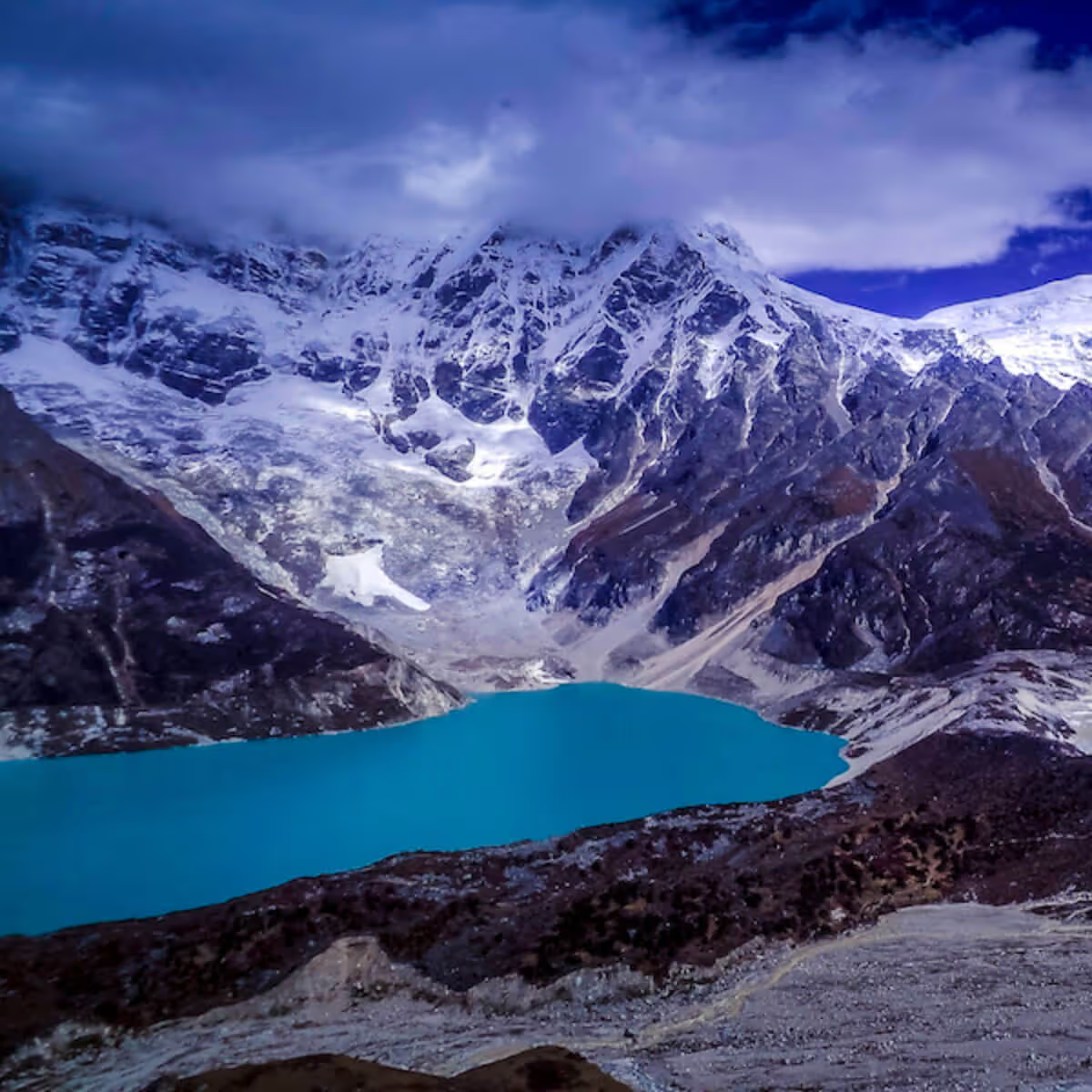
From there, travel to the peaceful Haa Valley and begin the Nub Tshonapata Trek: four days through ancient trails, high passes, yak-herder country, alpine meadows, and the sacred turquoise waters of Tshonapata Lake.
The route reaches Gochhila Pass at approximately 4,350 meters before descending through the Haa highlands and returning to Paro. Your journey closes with Tiger’s Nest Monastery and a traditional Bhutanese hot stone bath—a fitting way to rest after the mountains.
This is a journey of meaningful contrast: hotel comfort, a simple monastery stay, farmhouse hospitality, and three fully supported nights under canvas in Bhutan’s remote western wilderness.
Many Bhutan treks begin and end in the mountains. This one lets you understand the country before you step into its highlands.
You begin with monastery life, Bhutanese art, village food, river valleys, and Haa’s quiet landscapes. By the time you start walking, the trek feels connected to the people, faith, and traditions that shape the mountain world around you.
The Nub Tshonapata route is not about reaching a pass as quickly as possible. It is about moving through sacred landscapes slowly: forests, yak camps, ridgelines, hidden lakes, and places where the silence feels as meaningful as the view.
This journey is designed for active travellers who enjoy meaningful walking, mountain landscapes, cultural depth, and a more personal style of travel.
It is especially suited to couples, friends, experienced hikers, photographers, and travellers who want to combine Bhutan’s spiritual and cultural life with a genuine high-altitude trekking experience.
It is not a hotel-only holiday. The rewards come with long walking days, mountain weather, simple camp life, and time spent far from roads and conventional comforts.
This is an active journey, but it is not a rushed one.
Your guide sets a steady, safe pace on the trail, allowing time for photographs, tea breaks, mountain views, and rest. The route and camp logistics are carefully planned, while the feeling of the journey remains personal and unhurried.
The Nub Tshonapata Trek is a demanding high-altitude journey for fit, confident walkers with a positive sense of adventure.
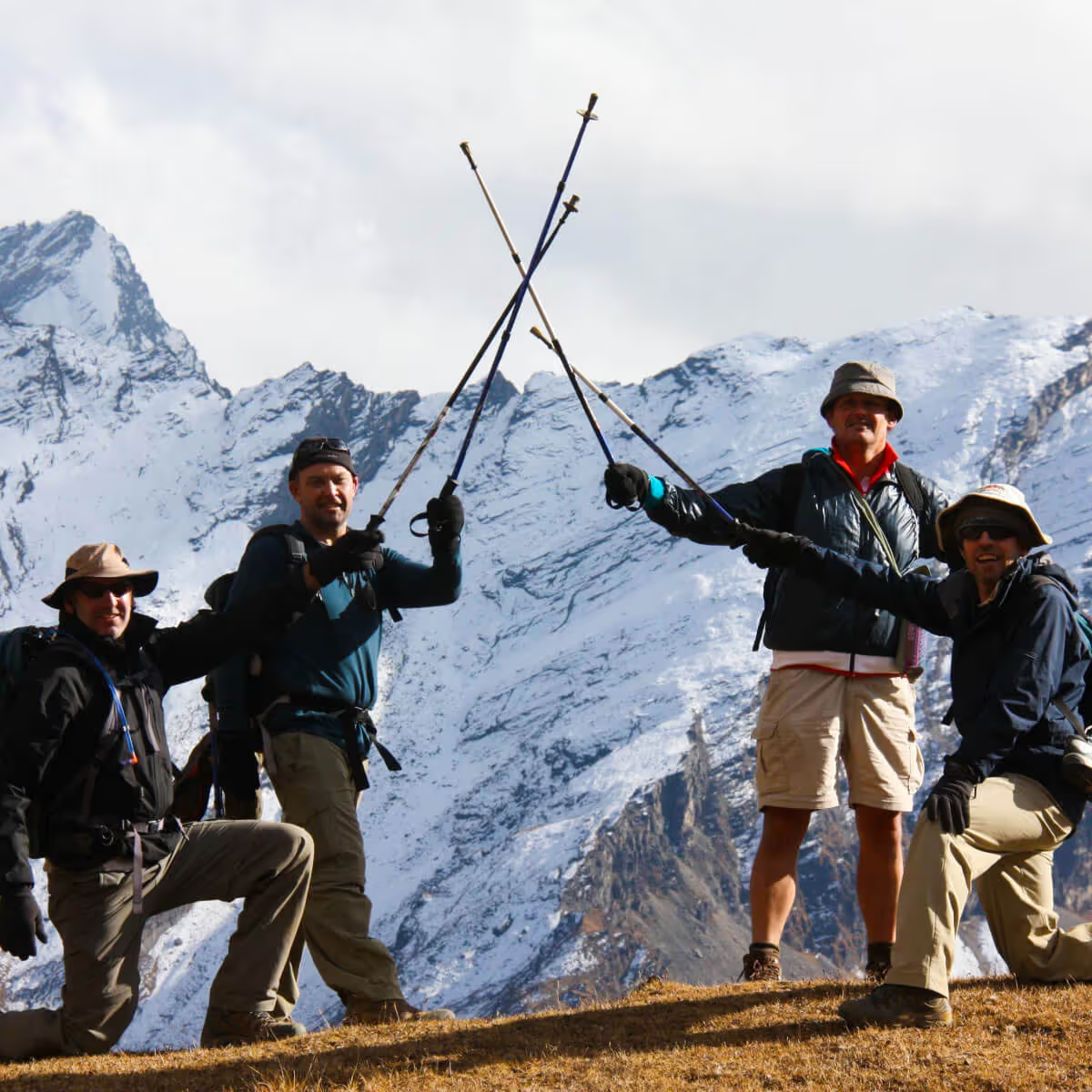
The trek includes four consecutive walking days, approximately 65 kilometres of trail, high passes up to around 4,350 metres, three mountain camp nights, and several long hiking days of six to eight hours.
You do not need technical climbing experience, but you should be comfortable hiking over uneven terrain, adapting to changing mountain weather, and sleeping in tents for several nights.
Our team provides full trekking support, warm camp arrangements, freshly prepared meals, luggage transfer by pack horses, filtered water, and an unhurried guiding pace.
Arrive at Paro International Airport, where your Raven guide and chauffeur welcome you to Bhutan.
Pause for breakfast or coffee in the Paro Valley before travelling toward Thimphu. Along the way, visit Tamchog Lhakhang, reached by crossing an iron-chain bridge above the river.
Settle into Thimphu and ease into Bhutan’s rhythm with a visit to a traditional art school, a relaxed walk through local streets and shops, and a warm Bhutanese dinner in a heritage setting.
Overnight: Thimphu
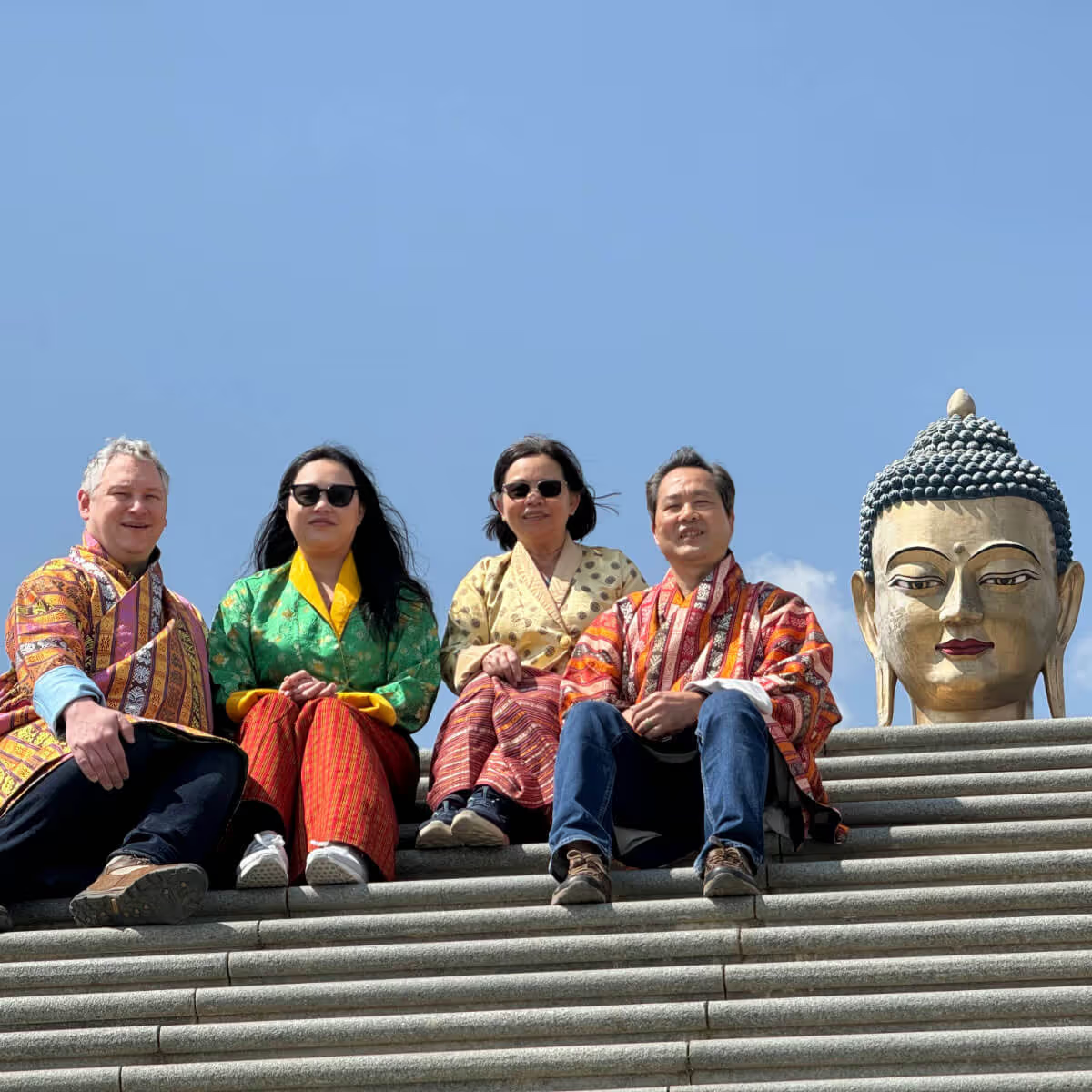
Explore Thimphu through its spiritual places and everyday local life. Visit Buddha Dordenma, see Bhutan’s national animal at the Takin Preserve, and explore local crafts and markets where timing allows.
Later, hike through pine forest to Dodeydra Monastery, a peaceful sanctuary above the capital. Light butter lamps, attend evening prayers where possible, share simple monastic meals, and rest in the quiet of the mountains.
Hiking: Approximately 6 km one way | Around 2 hours | Moderate
Overnight: Dodeydra Monastery
Wake to mountain air and the gentle rhythm of monastery life before descending back to the valley.
Travel across Dochula Pass, home to 108 chortens and wide Himalayan views on clear days, then descend into Punakha’s warmer landscape of rivers, rice fields, and subtropical forest.
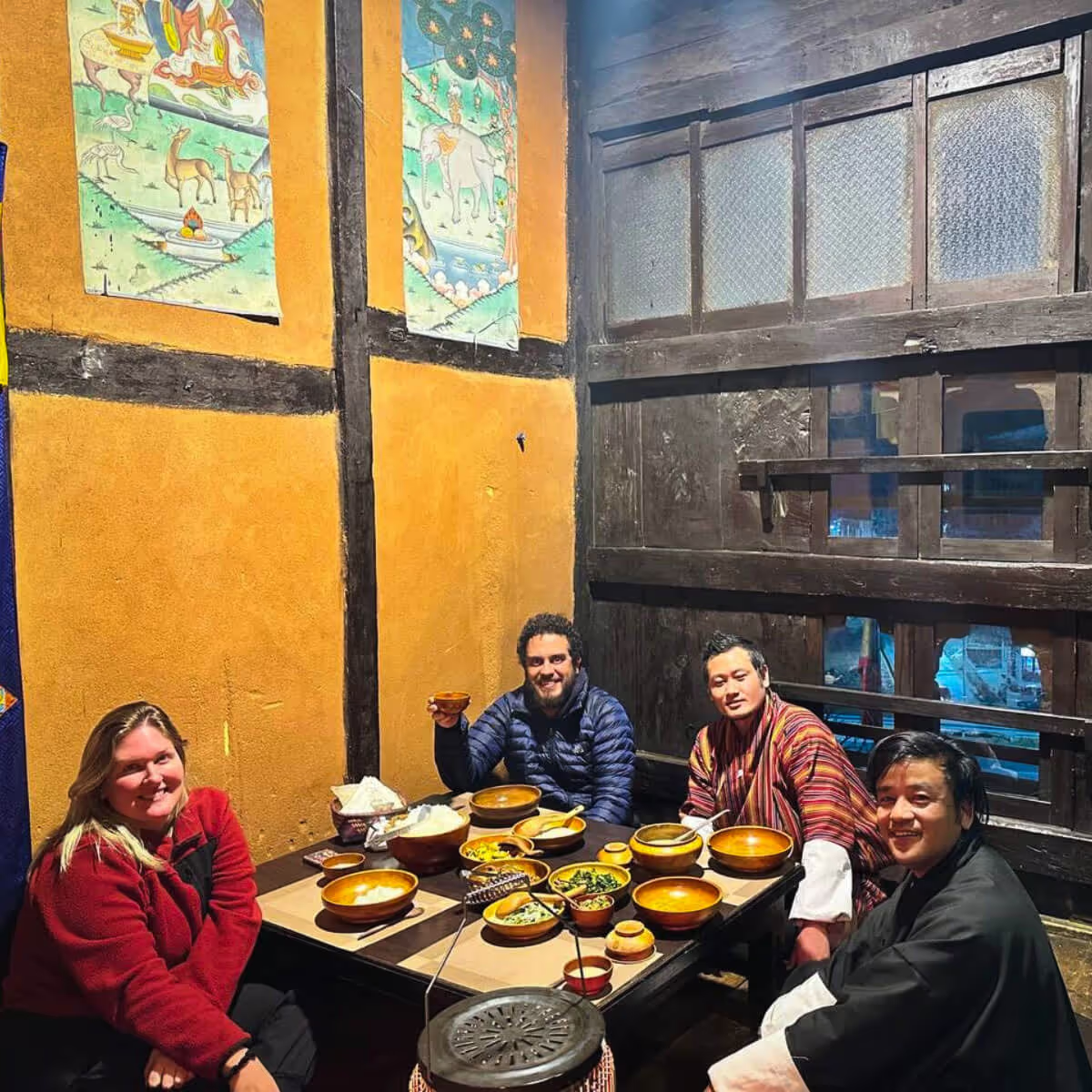
Visit Punakha Dzong before joining a local host for a Bhutanese cooking experience in a farmhouse kitchen.
Overnight: Punakha farmhouse or countryside stay
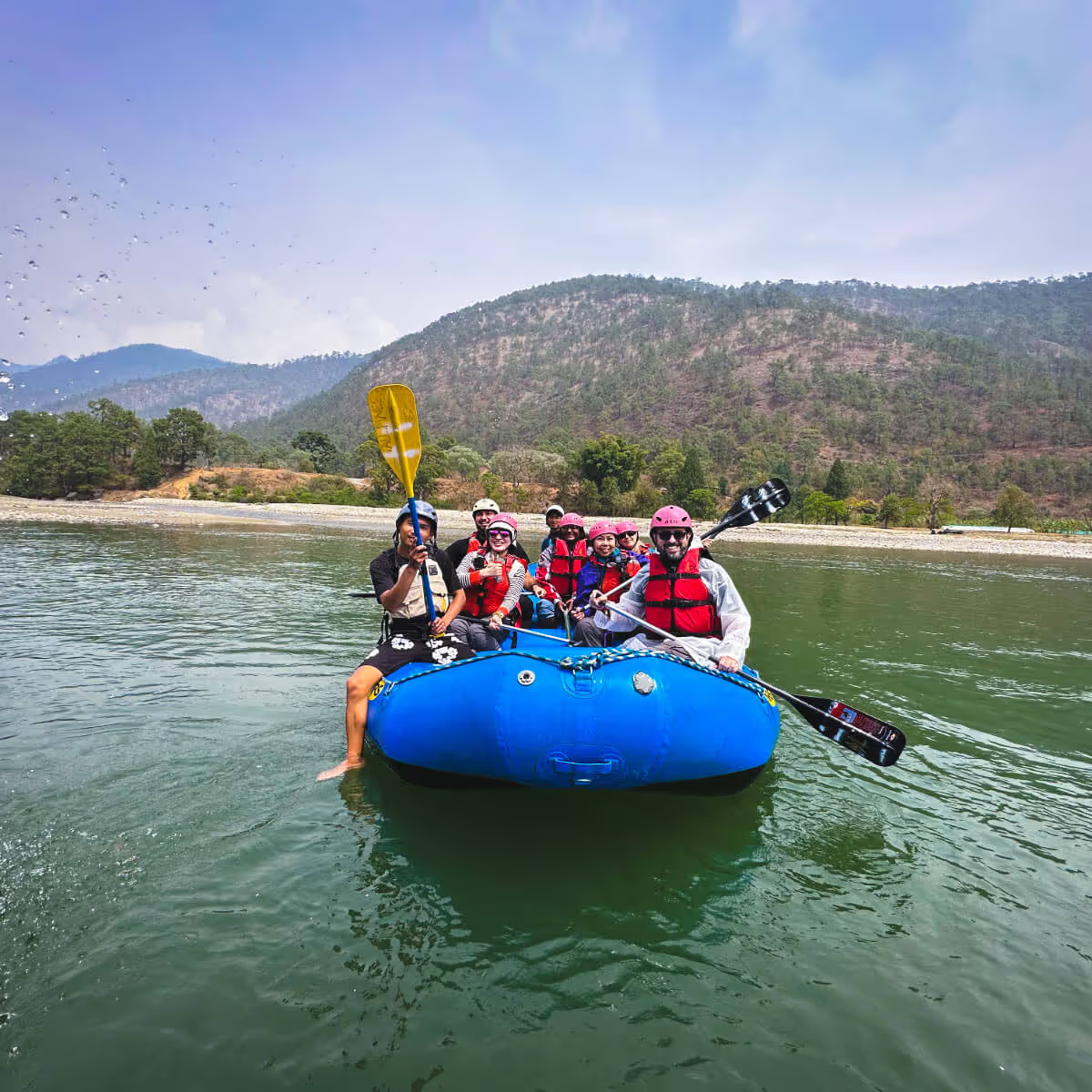
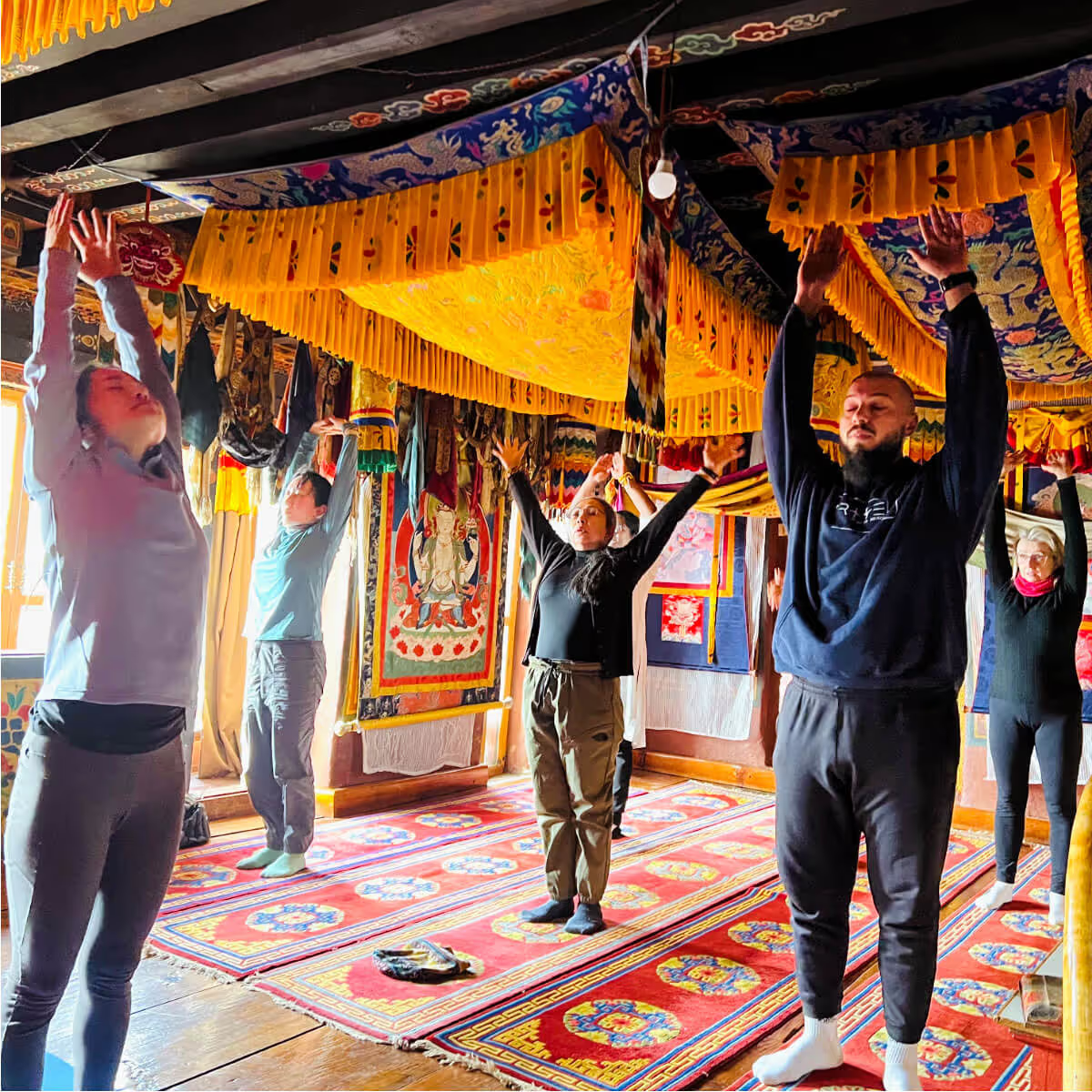
Begin with a gentle yoga session in the countryside before enjoying Punakha’s river landscape. Depending on river conditions and your preferred pace, enjoy rafting or a quieter riverside alternative.
Later, take part in a Raven Signature cultural encounter at Neyzergang, where prayer, nature, local connection, and reflection come together in a meaningful way.
Continue west toward Haa Valley, one of Bhutan’s most peaceful and less-visited regions. The drive is long but scenic, passing through changing valleys, mountain roads, and quiet villages.
Overnight: Haa Valley
After a visit to a traditional Haa village, begin your trek into the western highlands.
Walk through pine forest and open ridgelines before ascending toward Talelea Pass and Gochula Pass. The landscape opens into high alpine country, where the terrain becomes wider, quieter, and more remote.
Descend to your first camp at Womji, set beneath the stars in a secluded mountain hollow.
Trekking: Approximately 17 km | 6–7 hours | Moderate to Challenging
Highest Pass: Approximately 4,200 metres
Overnight: Supported mountain camp at Womji
Today is the trek’s highest and most demanding day.
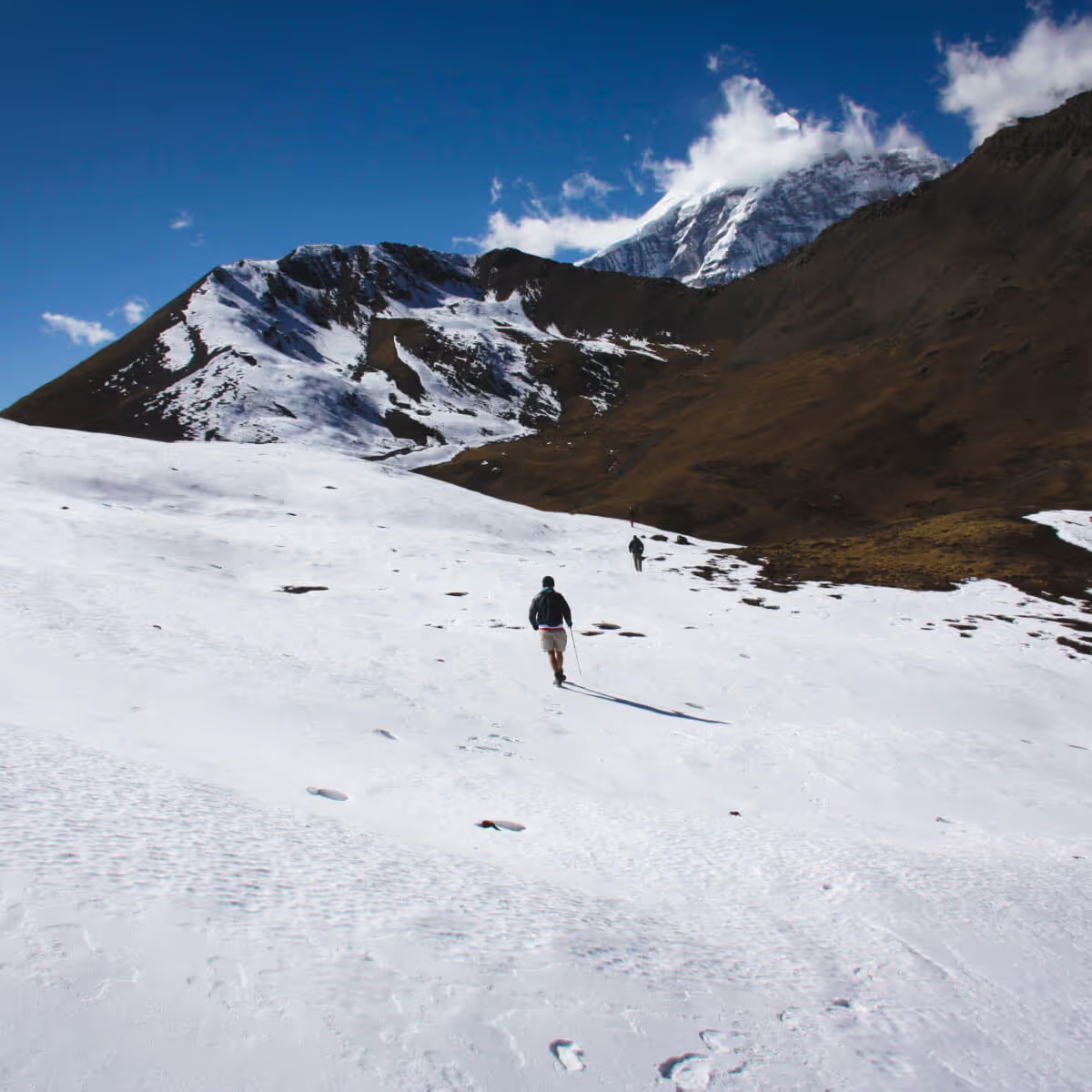
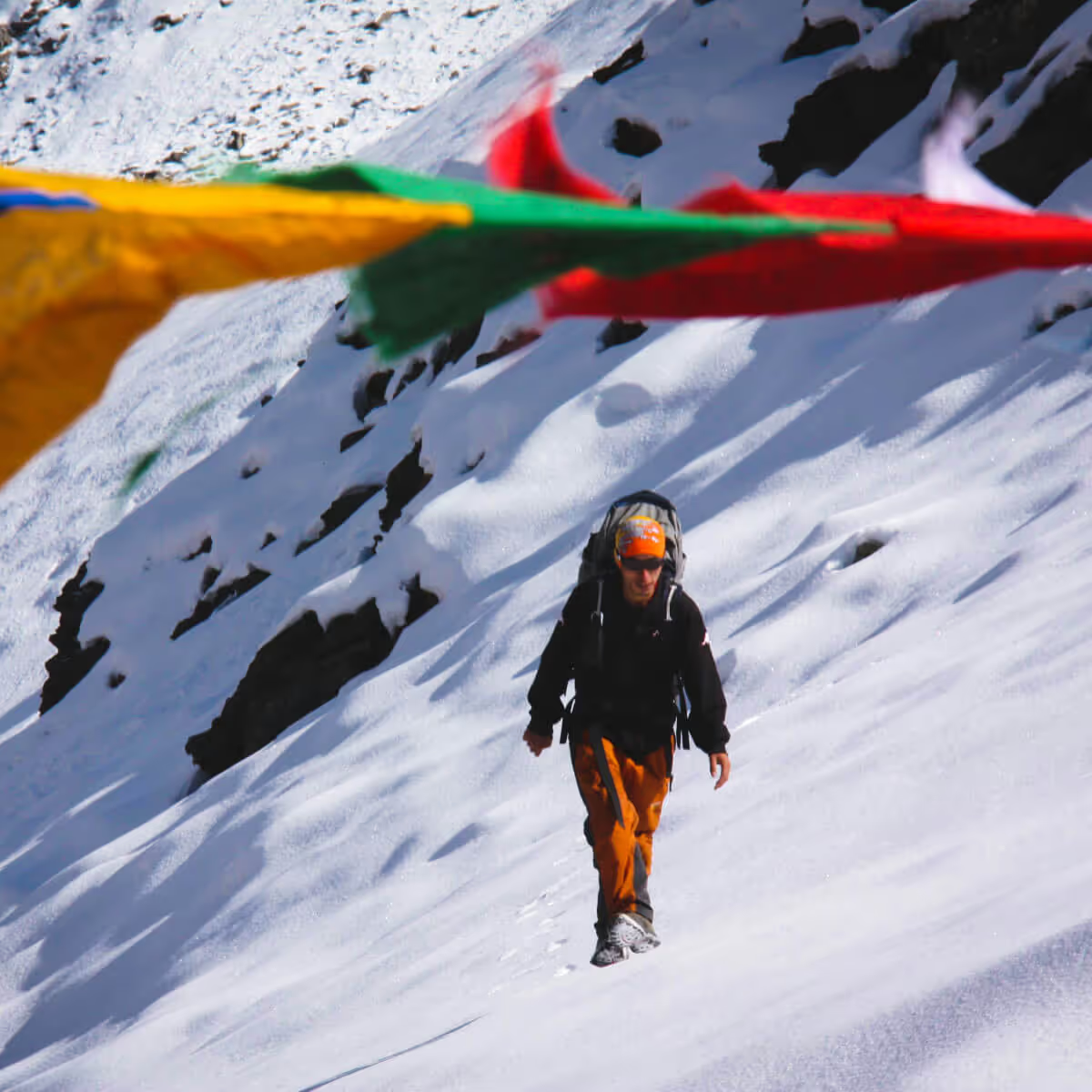
Climb steadily through juniper, rhododendron, and high mountain terrain toward Gochhila Pass at approximately 4,350 metres. From the pass, enjoy sweeping views across Bhutan’s remote western ranges before following ancient yak-herder trails toward the sacred landscape of Tshonapata.
Arrive at camp near the turquoise waters of Tshonapata Lake, one of the spiritual highlights of the journey.
Trekking: Approximately 22 km | 7–8 hours | Moderate to Challenging
Highest Point: Gochhila Pass, approximately 4,350 metres
Overnight: Supported mountain camp near Tshonapata Lake
Wake beside the still waters of Tshonapata Lake before beginning a gentler day through alpine grasslands and yak-herder country.
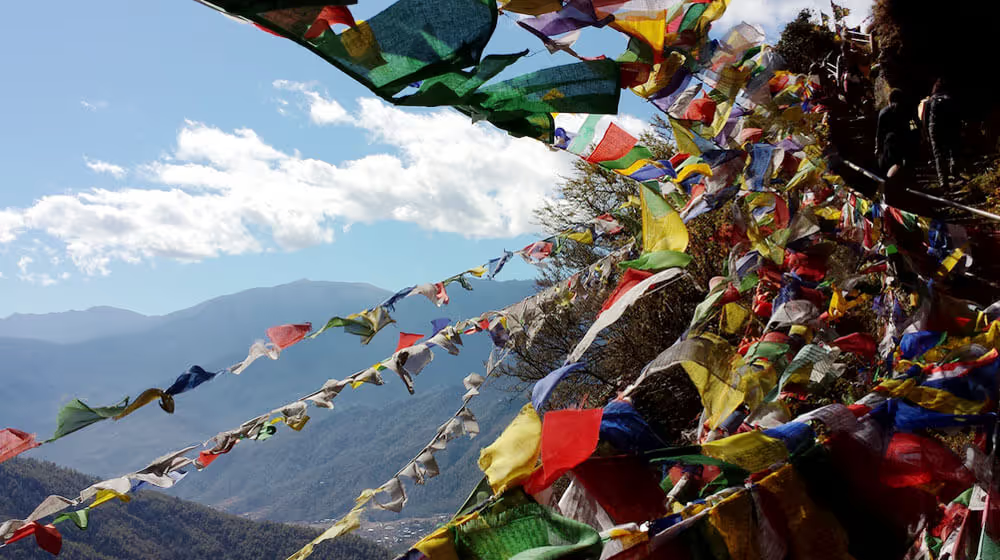
The route descends gradually toward Tsojo, passing open meadows, mountain cliffs, and quiet forest edges. Along the way, pause to hoist prayer flags in a place chosen for its beauty and spirit.
Reach camp in the Tsojo Valley, where birdsong and pine forest return after the exposed highlands.
Trekking: Approximately 8 km | 3–4 hours | Easy to Moderate
Overnight: Supported mountain camp at Tsojo
Begin the final leg of the trek with a long descent through juniper, rhododendron forest, and mountain trails toward Haa Valley.
As the highland landscape gradually gives way to farmland and villages, meet your vehicle and continue to Paro. Check into your hotel, enjoy a warm shower, and take time to rest after completing the trek.
A spa treatment may be arranged for guests who would like additional recovery time.
Trekking: Approximately 18 km | 6–7 hours | Moderate
Overnight: Paro
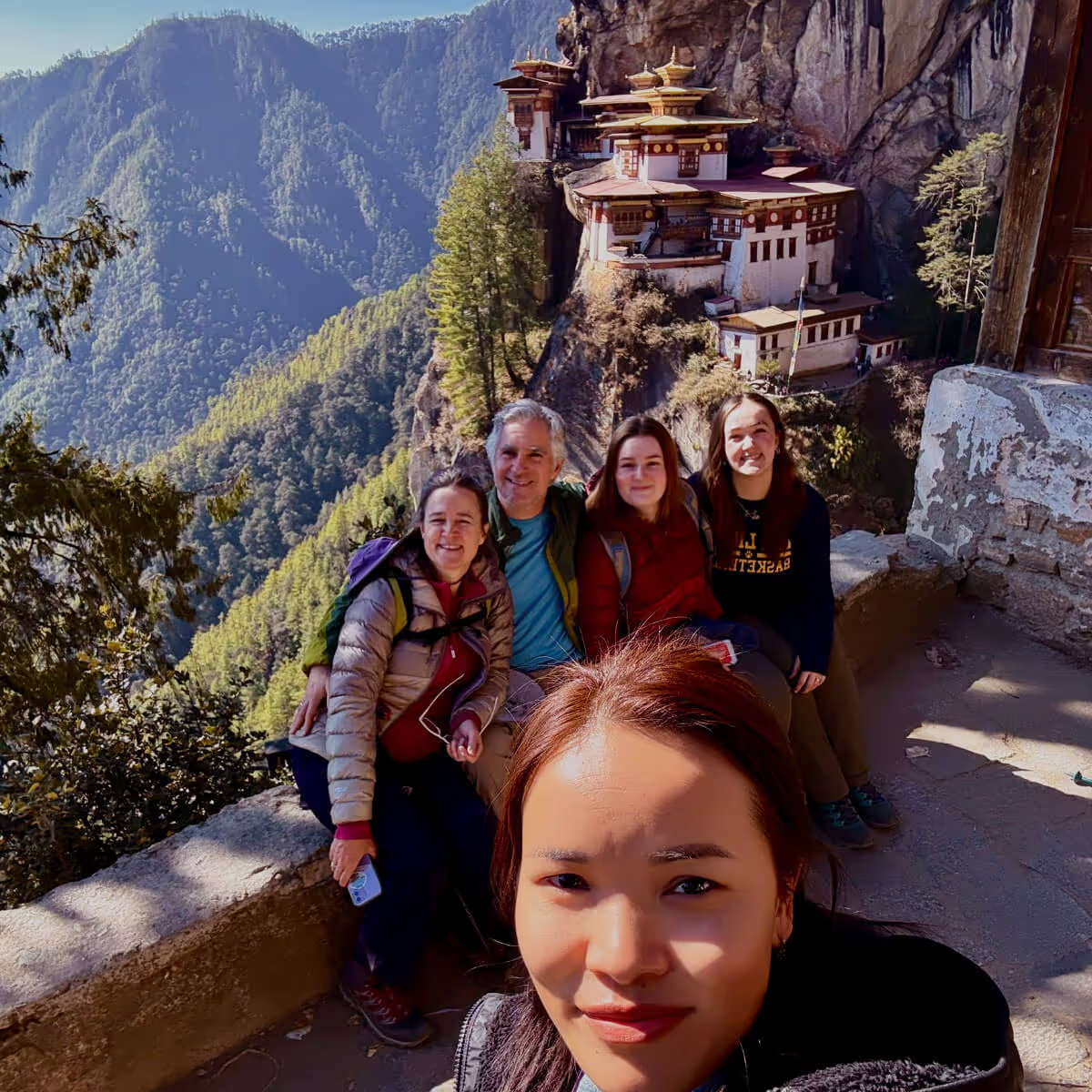
Set out for Paro Taktsang, widely known as Tiger’s Nest Monastery. The trail winds through fragrant pine forest and prayer wheels before reaching Bhutan’s most iconic cliffside sanctuary.
Walk at your own pace, pause for tea and views along the way, and take time to absorb the spiritual setting.
Later, relax in a traditional Bhutanese hot stone bath, prepared with heated river stones and local herbs. Gather for a relaxed farewell evening in Paro.
Overnight: Paro
Enjoy a slow final morning before your transfer to Paro International Airport.
Leave carrying more than photographs: mountain silence, monastery prayers, village warmth, highland trails, sacred lakes, and a deeper connection to Bhutan.
The Nub Tshonapata Trek requires permits, mountain staff, pack horses, camping equipment, suitable hotel rooms, and carefully coordinated transport across remote highland country.
Early planning gives us the best opportunity to secure your preferred travel dates, stay style, flight connections, and any premium accommodation upgrades before and after the trek.
The route provides the framework, but every Raven journey is shaped around the people taking it.
Your final proposal may vary slightly according to weather, trail conditions, permit arrangements, fitness level, flight schedules, and preferred accommodation style. We take care of the logistics while leaving room for rest, tea stops, photographs, monastery moments, and the unexpected experiences that make Bhutan personal.

At Raven, we do not believe every night in Bhutan should feel the same.
This journey brings together carefully selected hotel comfort, a simple monastery stay, farmhouse hospitality, and fully supported wilderness camping. Each night is chosen for the character of the place rather than a single fixed hotel category.
In Thimphu and Paro, you rest in comfortable, well-located hotels. In Punakha, a farmhouse stay brings you closer to village life, home-cooked food, and Bhutanese hospitality. At Dodeydra, the experience is quieter and simpler: a chance to sleep close to a living monastery and share its calm rhythm.
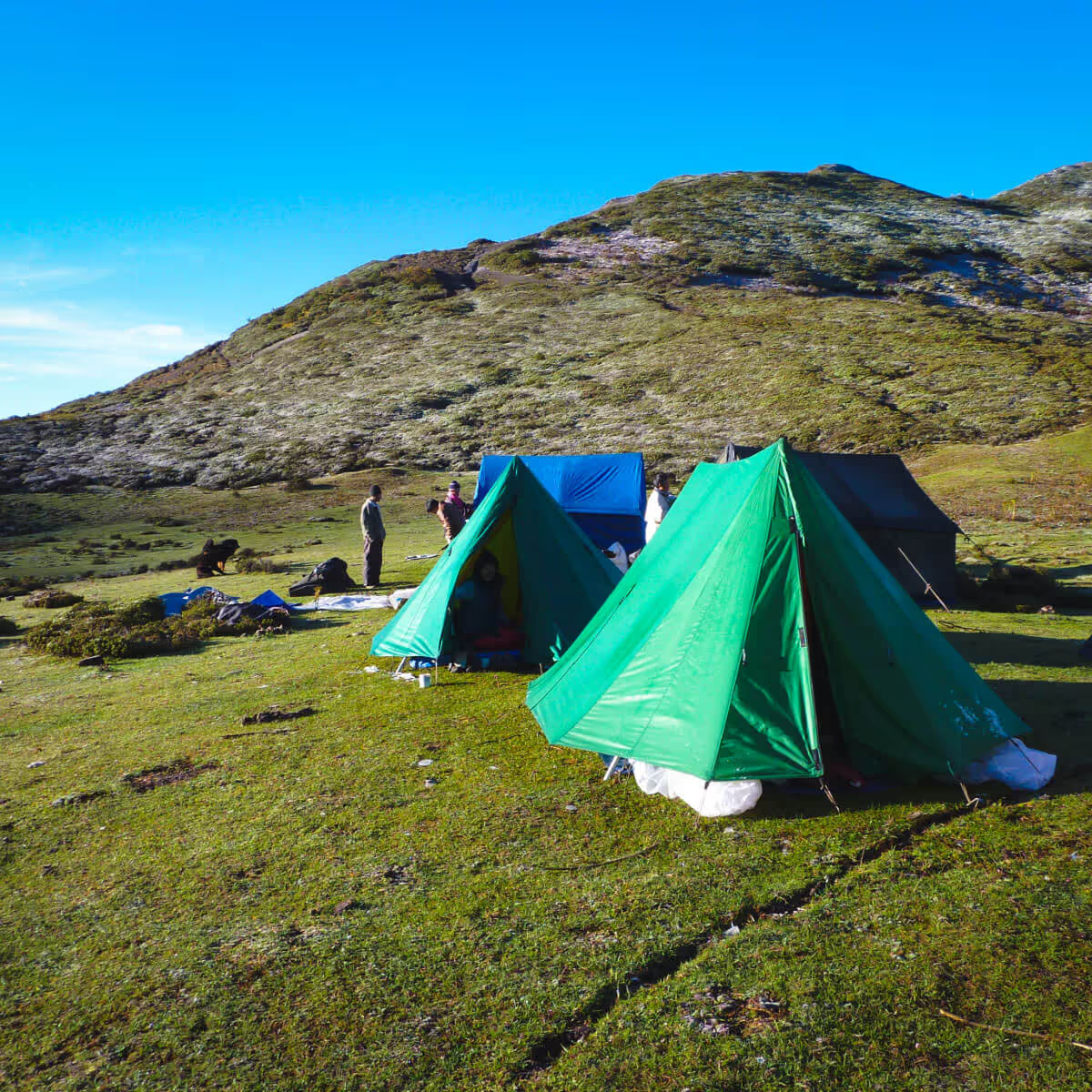
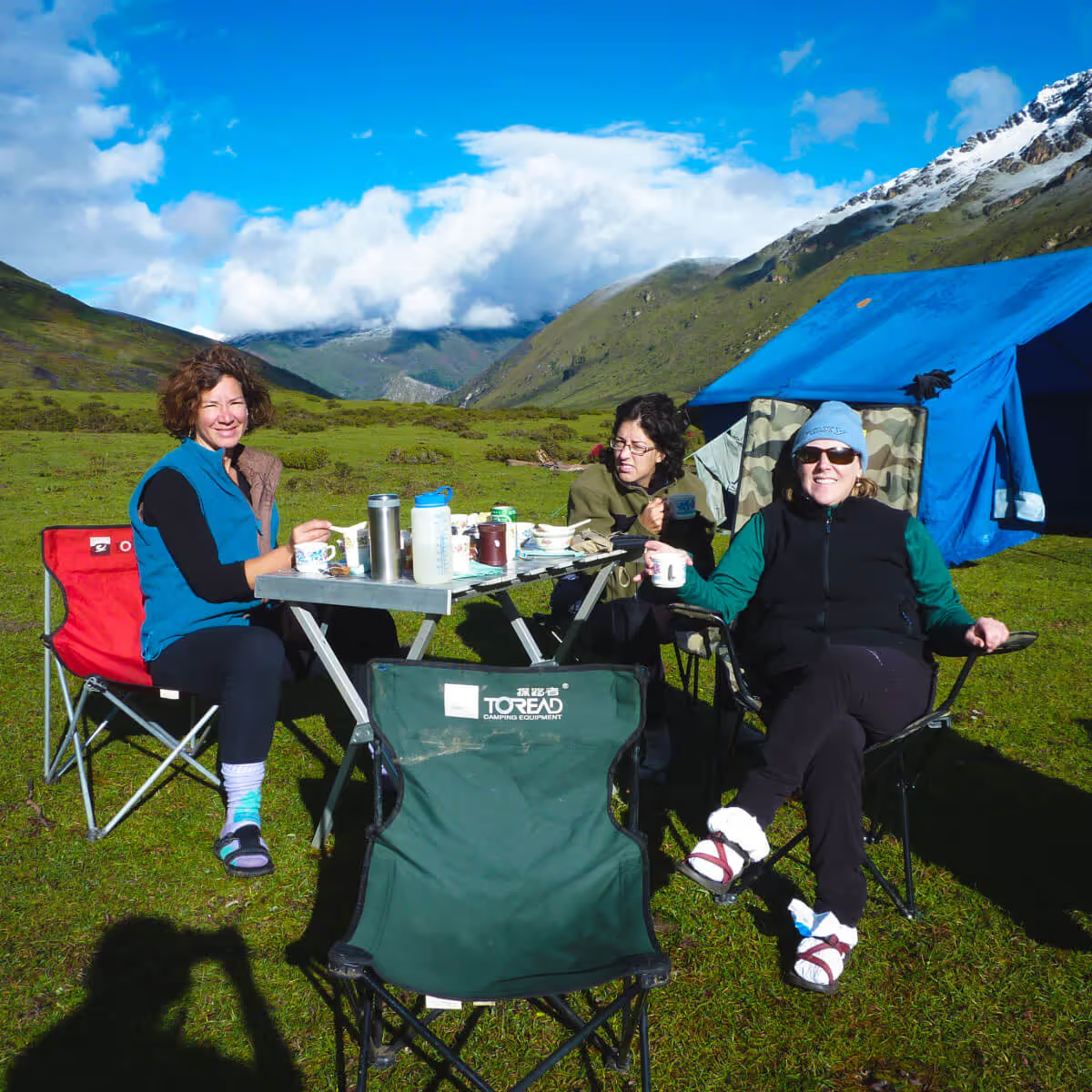
In the mountains, three nights under canvas become part of the journey itself. Your camp is cared for by an experienced trekking team, with warm bedding, nourishing meals, hot drinks, luggage transfer, and thoughtful private arrangements.
Selected stays in Thimphu, Haa, or Paro may be upgraded to premium or luxury properties, subject to availability and the final journey design.