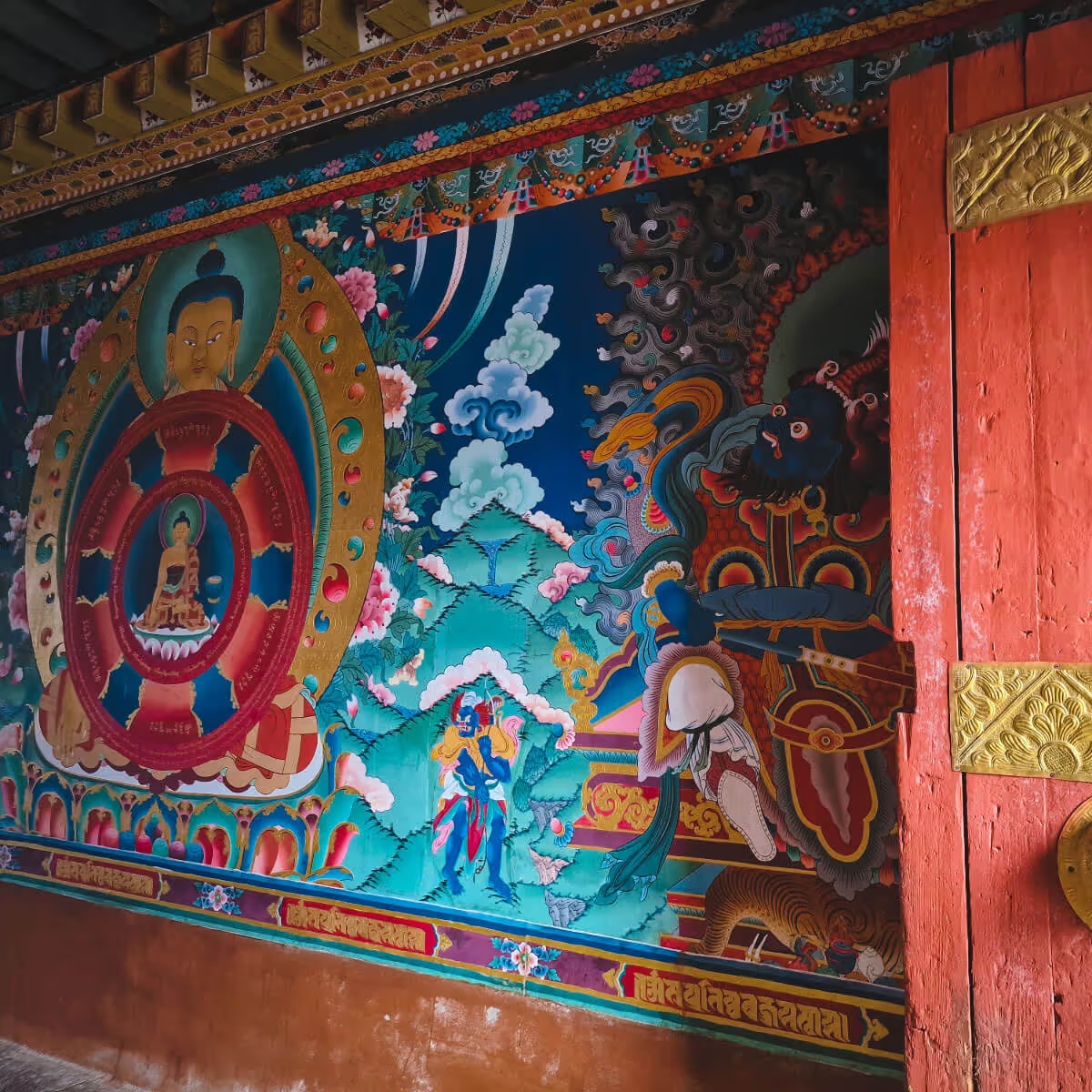
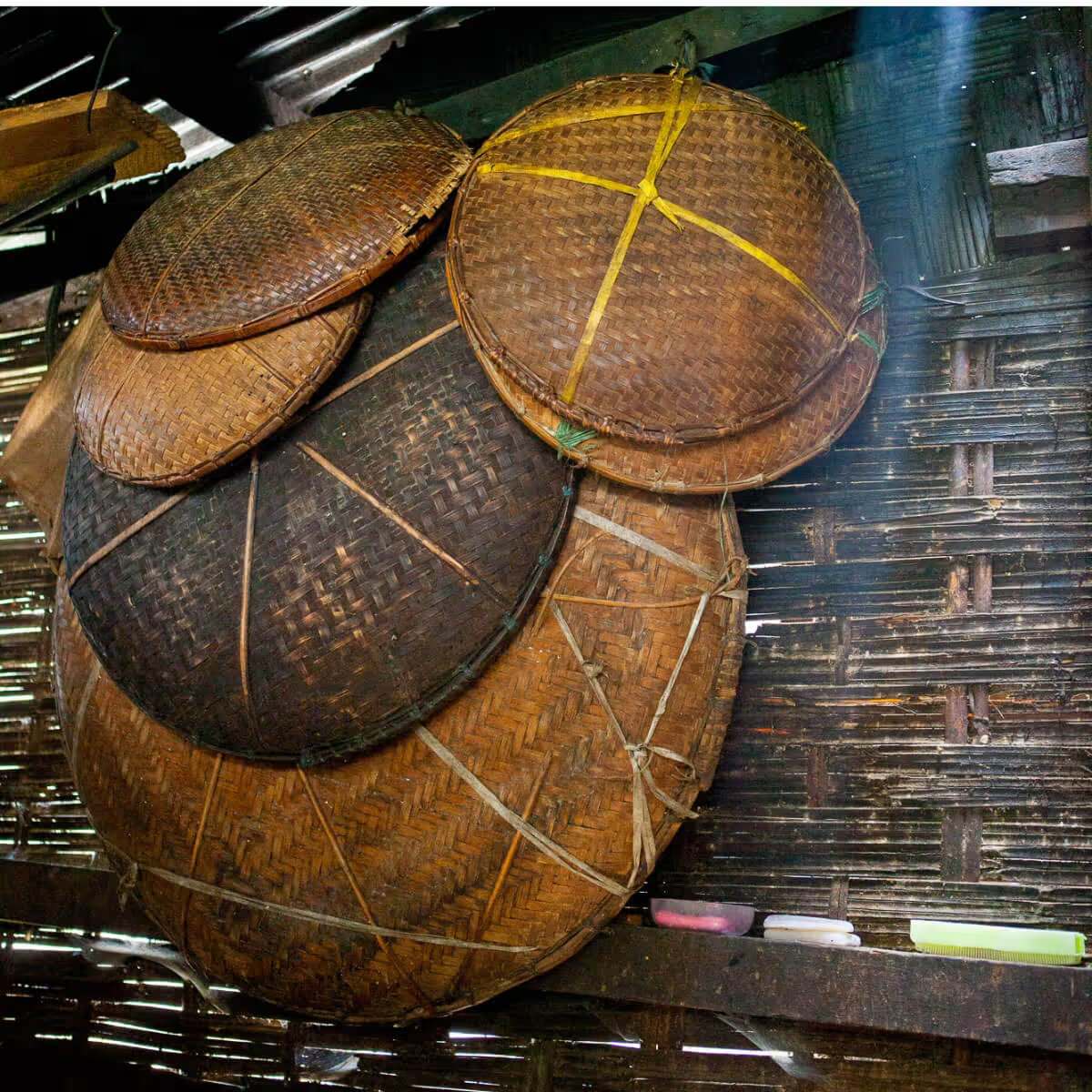
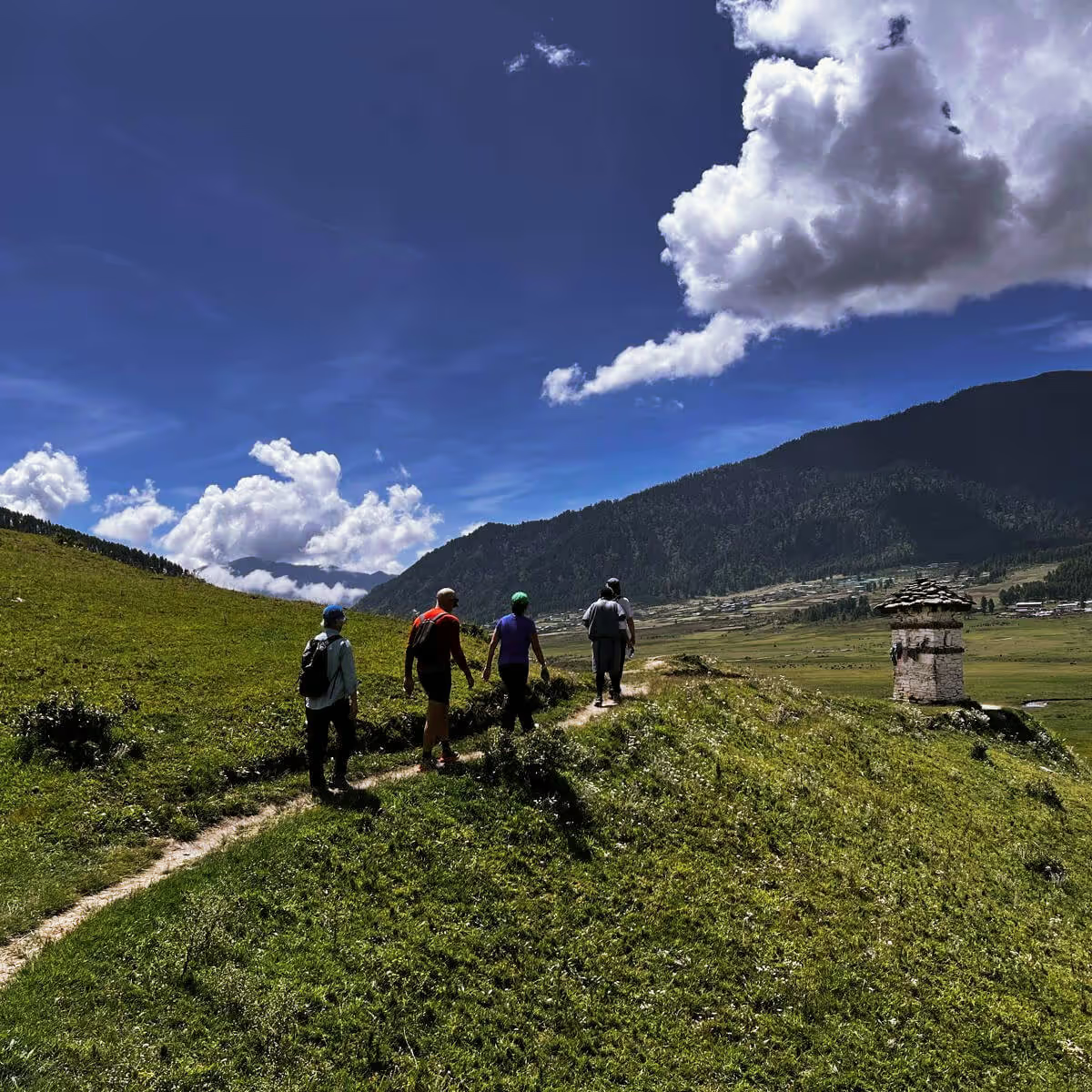
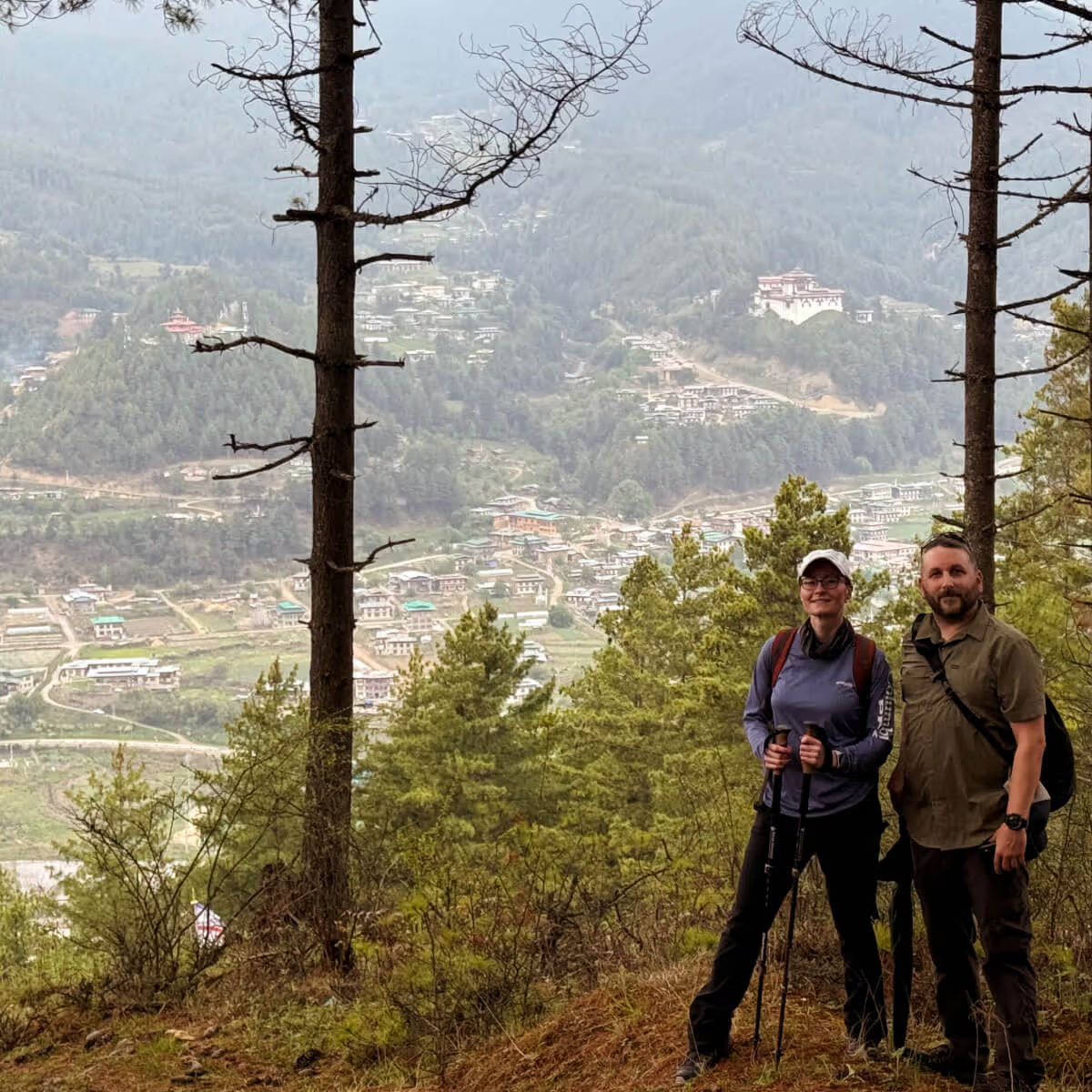


This private 14-day Bhutan festival tour travels across western and central Bhutan during one of the country’s most fascinating cultural seasons.
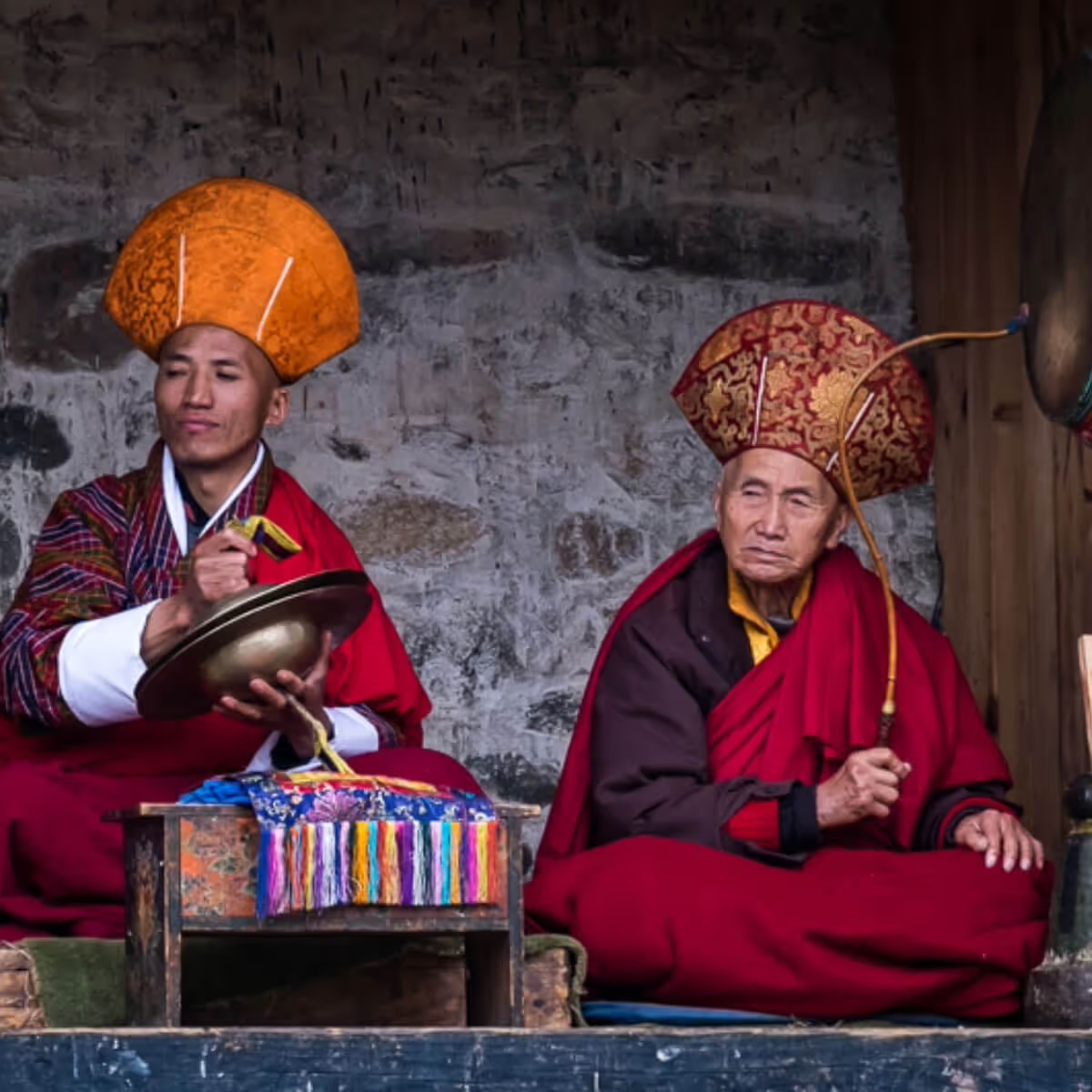
Begin in Thimphu with Dechenphu Tshechu, an intimate community festival filled with sacred mask dances, traditional dress, prayer, music, and local celebration. A Buddhist astrology reading, traditional arts, markets, monastery walks, and everyday city life provide a deeper introduction to Bhutan before the journey continues east.
Cross Dochula Pass into Punakha, where farmhouse hospitality, Bhutanese cooking, morning yoga, hiking, rafting, and Raven’s signature Neyzergang experience bring you closer to village life and living spiritual traditions.
Continue through the wetlands and farming communities of Phobjikha Valley before travelling across high mountain passes to historic Trongsa and the sacred valleys of Bumthang.
The main attraction is Jambay Lhakhang Drup, one of Bhutan’s most extraordinary traditional festivals. During the nighttime celebrations, witness the dramatic Mewang fire blessing—often described as Bhutan’s Fire Festival—and the rare Tercham sacred naked dance performed within the ancient temple courtyard. These rituals form one of the most distinctive cultural experiences in Bhutan.
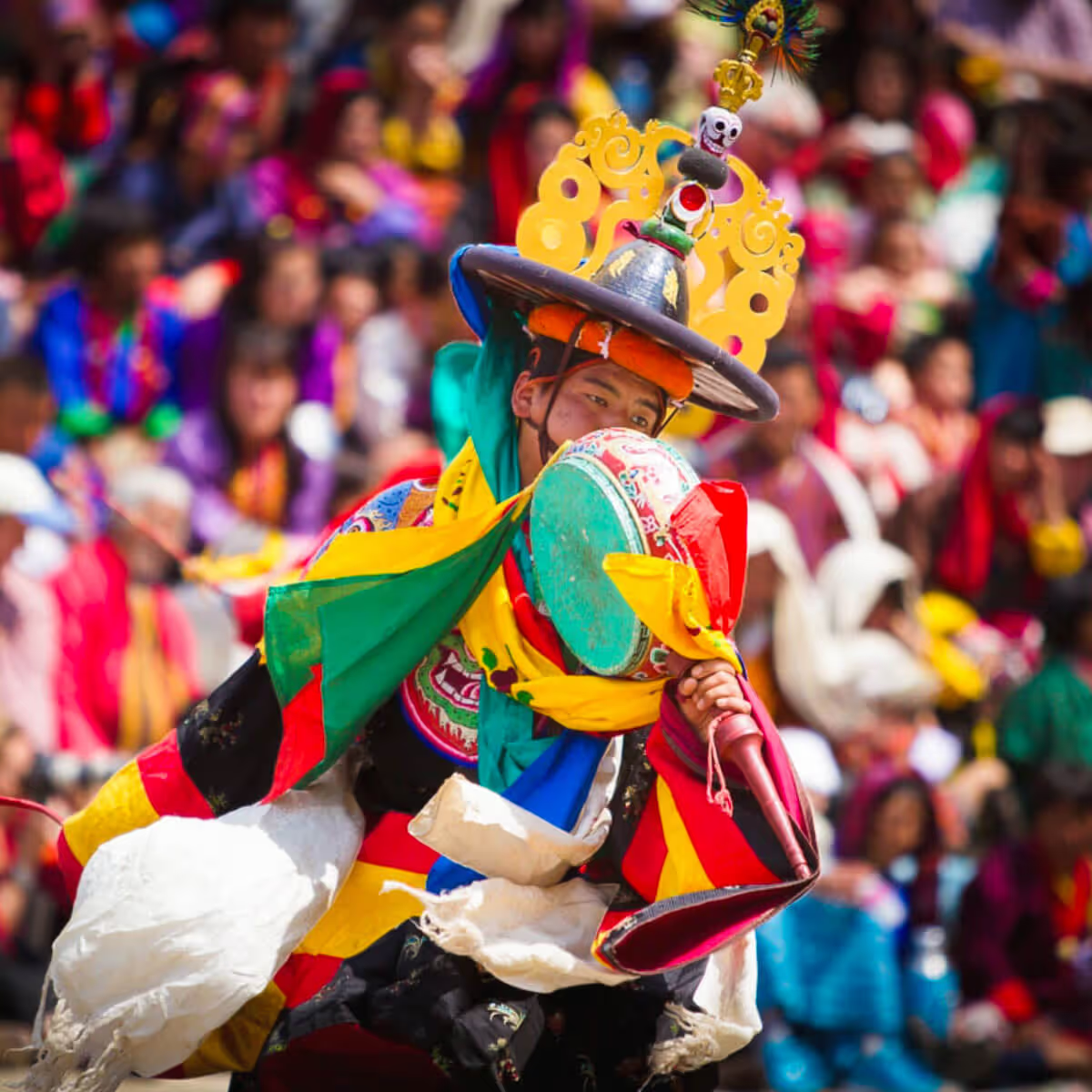
You will also attend Prakhar Duchhoed, an intimate rural festival known for colourful sacred mask dances, traditional music, monks, and village families gathering closely around the temple courtyard.
Between the festivals, walk through Tang Valley, stay in a historic ancestral residence, explore old forest trails, visit sacred temples, experience village food, and discover Bhutan’s spiritual heartland.
A short domestic flight returns you to Paro for a hands-on sand-mandala experience, Kyichu Lhakhang, Tiger’s Nest Monastery, and a traditional Bhutanese hot stone bath.
The combination of Dechenphu Tshechu, Prakhar Duchhoed, and Jambay Lhakhang Drup reveals several sides of Bhutanese festival life.
You experience intimate community celebrations, colourful masked dances, the dramatic Mewang fire blessing, and the rare Tercham sacred naked dance performed during the night at Jambay Lhakhang. Rather than simply attending unfamiliar festivals by name, your Raven guide explains the stories, symbolism, spiritual meaning, and local customs behind each experience.
This journey is designed for culturally curious travellers who want to understand Bhutan beyond its famous monuments.
It is particularly suitable for couples, friends, solo travellers, photographers, and private families interested in festivals, Buddhist traditions, village life, nature, hiking, and meaningful local encounters.
The programme includes gentle valley walks, several moderate hikes, long scenic drives, early monastery visits, and late-night festival rituals.
It works best for travellers who are comfortable with changing festival schedules and who understand that Bhutanese festivals are living religious events rather than performances arranged specifically for visitors.
This itinerary contains a wide variety of experiences, but it does not need to feel rigid or rushed.
Your guide will discuss the following day with you each evening and adjust departure times, walking distances, meal arrangements, and sightseeing according to your interests and energy.
Time is allowed for festival photography, conversations, tea breaks, local encounters, and rest wherever the festival programme permits.
Longer hikes can be shortened or replaced with gentler cultural experiences. However, the timing of sacred festival rituals is determined by the monasteries and local communities and may require early starts, late evenings, or adjustments to the planned schedule.
This is an active cultural journey rather than a difficult trek.
The programme includes short valley walks, forest trails, several moderate half-day hikes, early monastery visits, and late-night festival rituals.
The most physically demanding experiences are:
You should also be prepared for winding mountain roads and one longer driving day of approximately five to six hours.
November mornings and evenings can be cold, particularly in Phobjikha, Trongsa, Tang Valley, and Bumthang. Warm layered clothing will be important for festival evenings and early morning monastery visits.
No technical hiking experience is required. Walking alternatives can be prepared for travellers who prefer a gentler programme.
Arrive at Paro International Airport, where your Raven guide and chauffeur welcome you to Bhutan.
Travel privately to Thimphu, following the river valleys through traditional settlements and forested mountain scenery.
After a relaxed lunch, visit a traditional art school where young Bhutanese students continue to learn painting, carving, embroidery, sculpture, and other national crafts. Where suitable, try a simple hands-on artistic activity and share tea with the students.
Later, explore Thimphu’s local streets, handicraft shops, cafés, and everyday city life before enjoying dinner in a welcoming Bhutanese setting.
Overnight: Thimphu
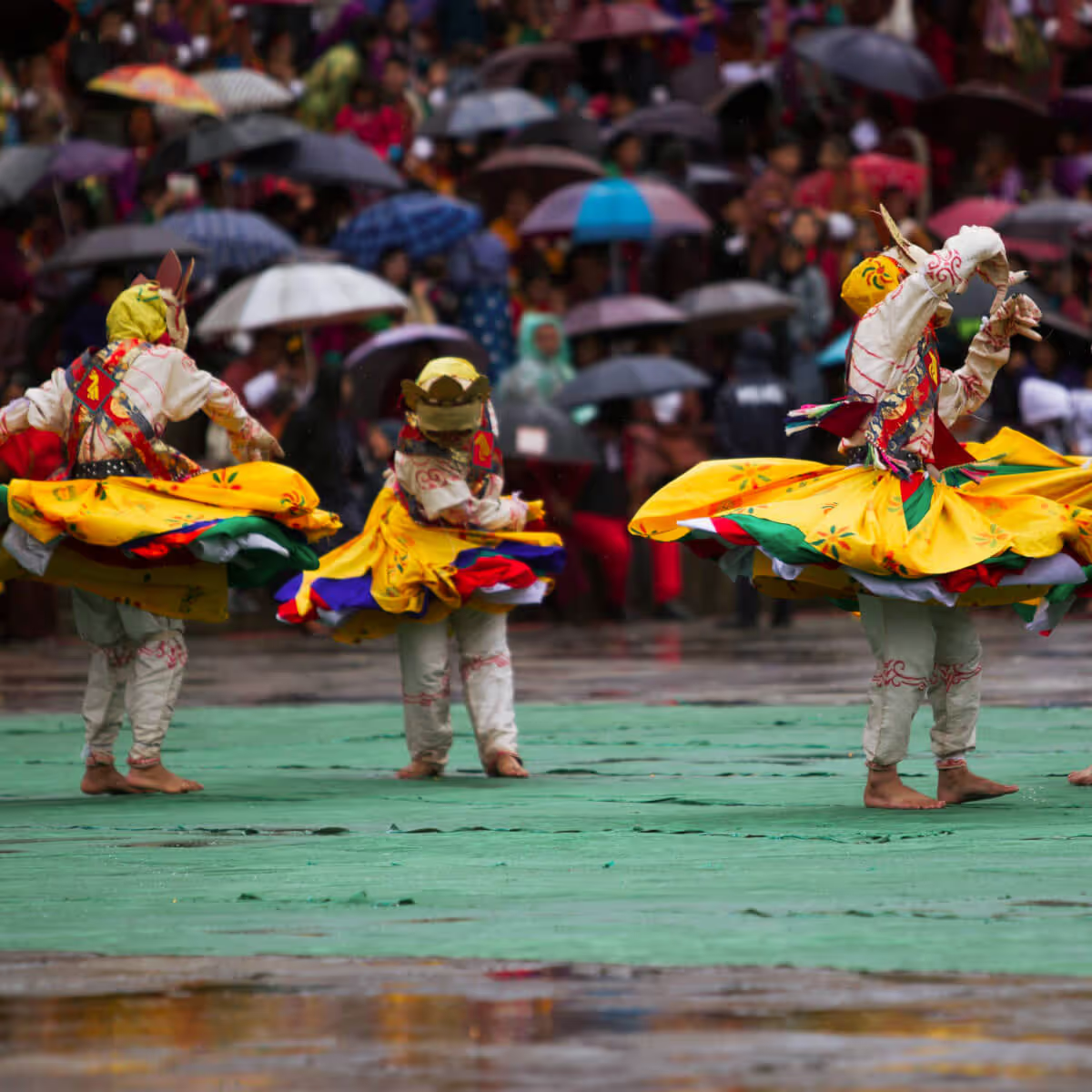
Begin at Dechenphu Lhakhang for one of Thimphu’s most intimate annual festivals.
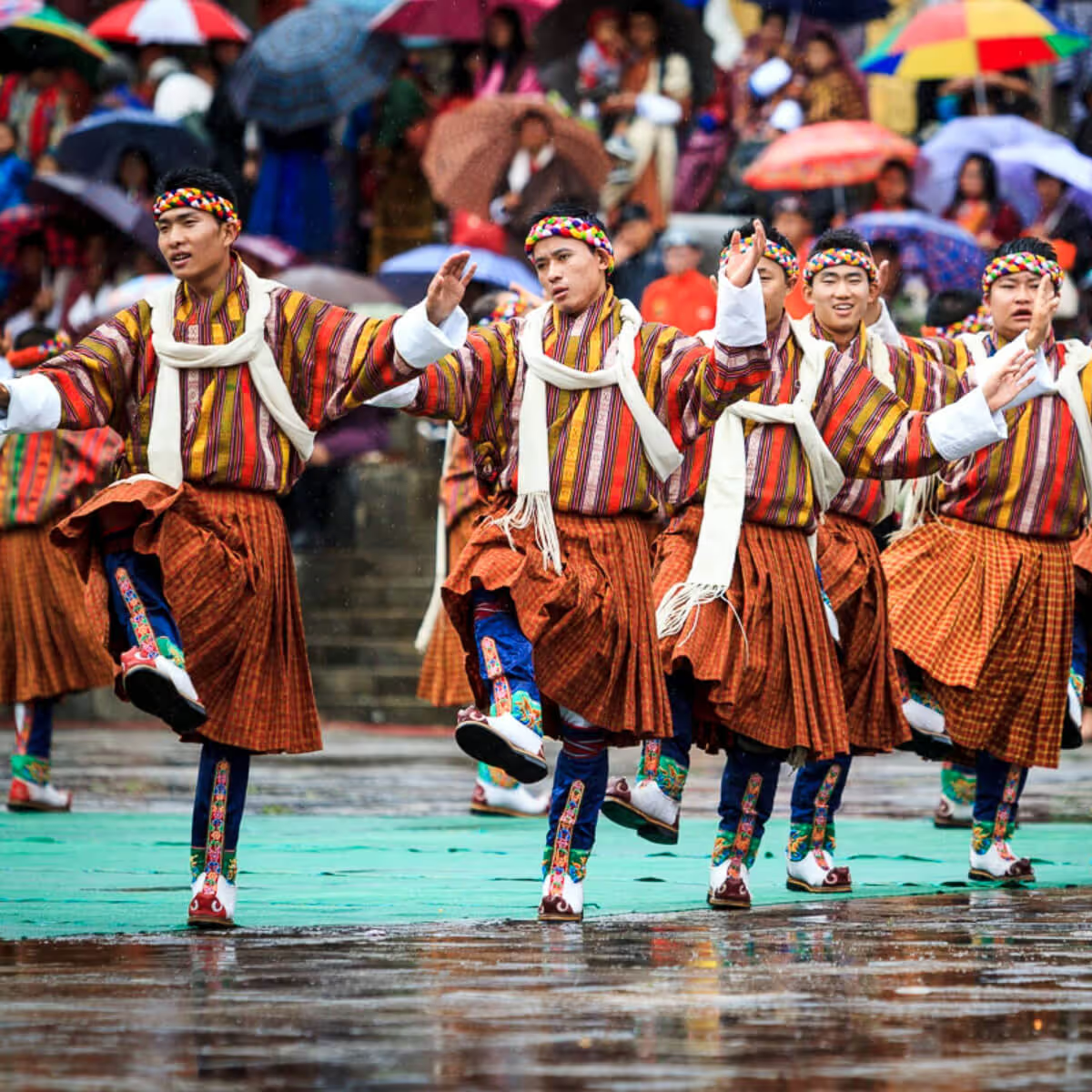
Join local families dressed in their finest kira and gho, watch sacred masked dances, and experience a celebration closely connected to Thimphu’s protective spiritual traditions.
Continue to Pangrizampa, home to Bhutan’s traditional College of Astrology. A monk astrologer may prepare a personal reading using your birth details and explain Bhutanese perspectives on auspicious timing, wellbeing, karma, and spiritual tendencies.
After lunch, follow a gentle forest trail to Wangditse Monastery. The walk passes through pine and rhododendron forest, with views towards Thimphu Valley and Tashichho Dzong.
Visit the Royal Takin Preserve before returning to the city for a relaxed evening.
Hiking: Approximately 4 km round trip
Difficulty: Easy
Overnight: Thimphu
Begin with Buddha Dordenma, the great golden Buddha overlooking Thimphu Valley.
Continue to the local farmers’ market to explore seasonal produce, homemade cheese, dried chillies, local snacks, and traditional household products.
Leave Thimphu and cross Dochula Pass, where 108 chortens stand against the Himalayan skyline. On a clear day, the pass offers broad views towards Bhutan’s northern mountains.
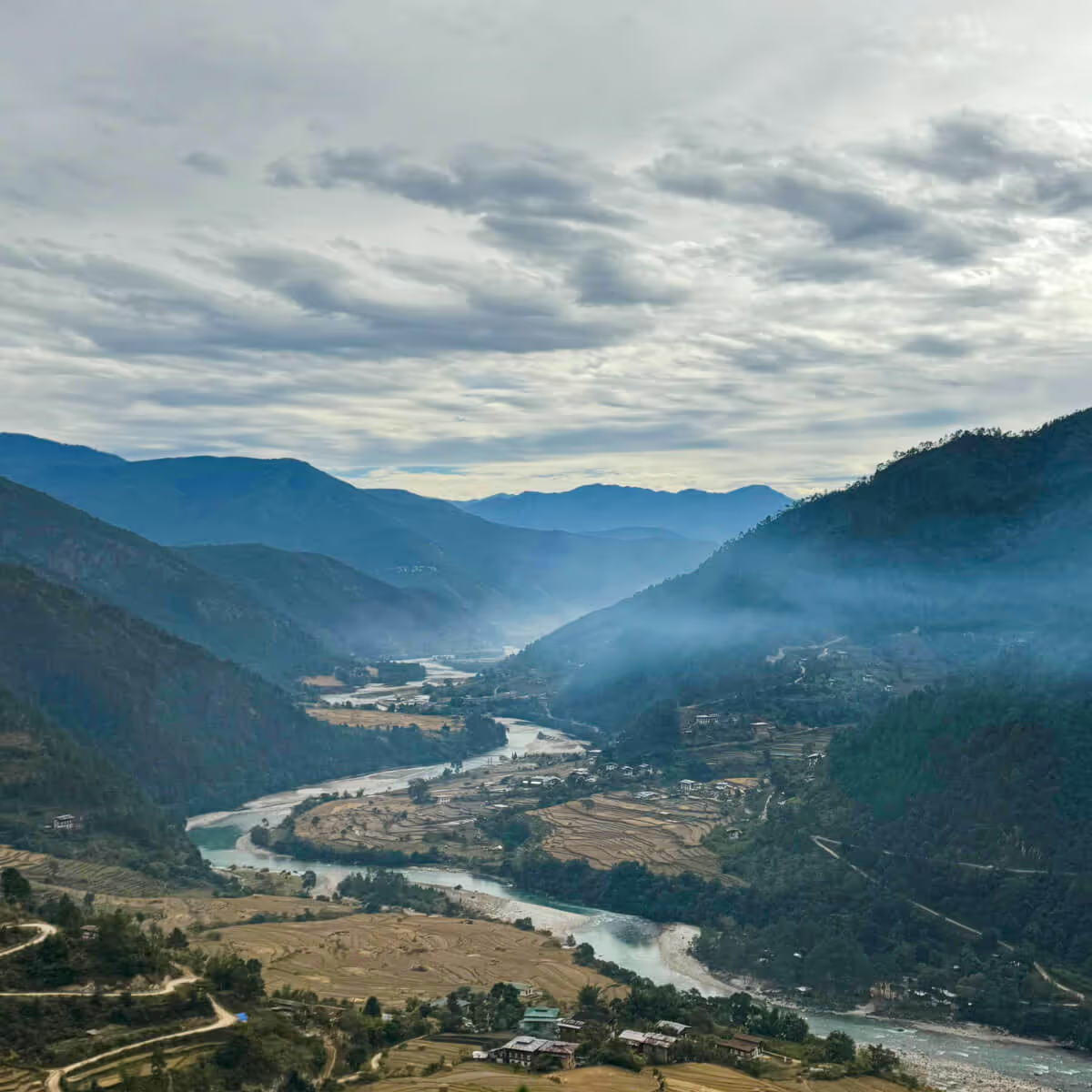
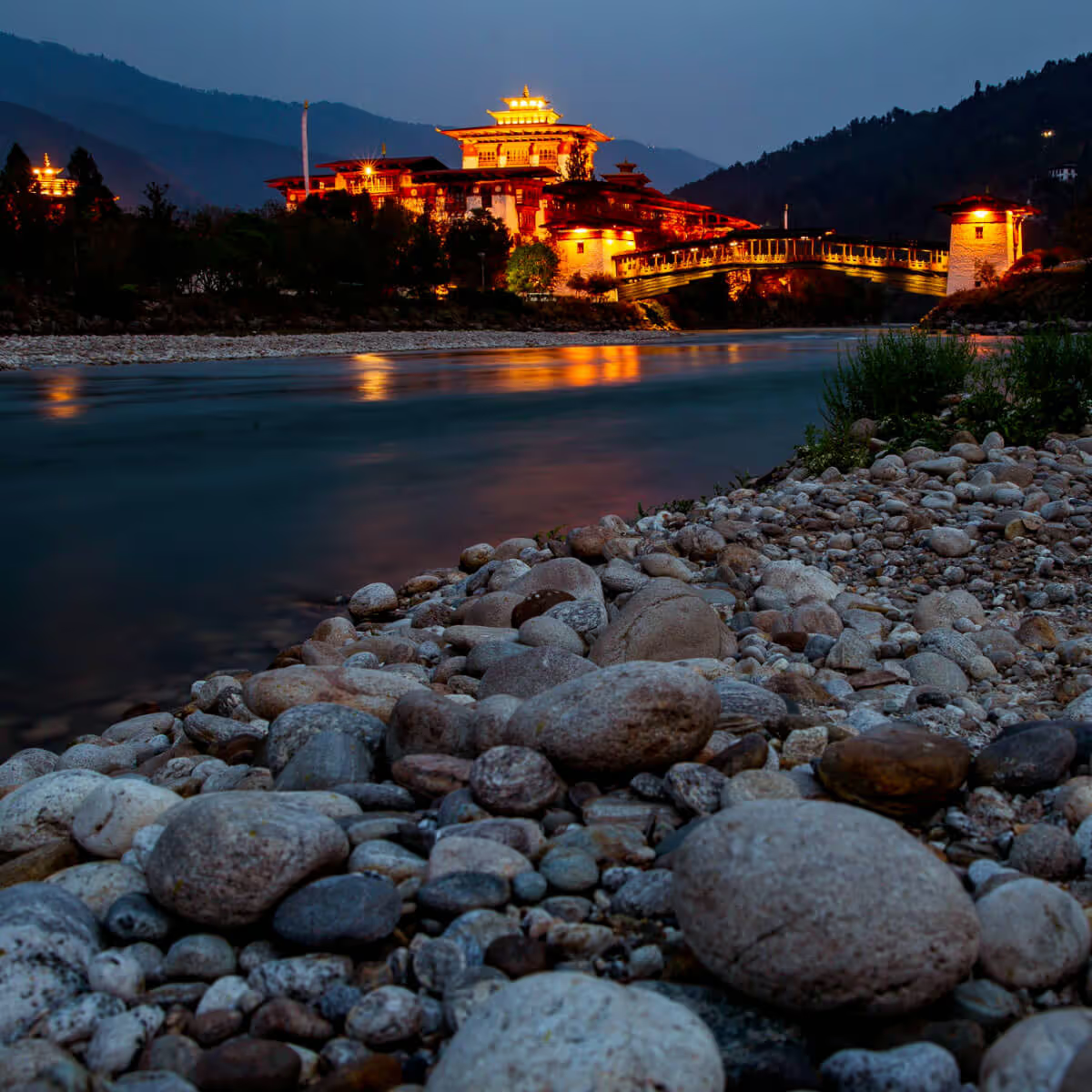
Descend into Punakha’s warmer river valley and visit Punakha Dzong, dramatically positioned at the meeting point of the Pho Chhu and Mo Chhu rivers.
In the evening, join a local host in her farmhouse kitchen. Learn how traditional Bhutanese dishes are prepared using seasonal ingredients before sharing dinner with the family.
Overnight: Punakha farmhouse or countryside stay
Begin with a gentle morning yoga session surrounded by Punakha’s quiet countryside.
Later, walk through fields and village landscapes to Khamsum Yulley Namgyal Chorten. The hilltop temple provides sweeping views over the Mo Chhu River and surrounding valley.
After descending, experience Punakha from the water. Depending on conditions and your comfort level, choose between livelier rafting on the Pho Chhu or a calmer scenic float on the Mo Chhu.
Continue to Neyzergang for a Raven signature experience. Plant a young tree, light butter lamps, spend time with monks, and attend prayers where the monastery schedule permits.
A nearby school visit may also be arranged when classes are in session and the school has approved the visit.
Hiking: Approximately 3 km
Difficulty: Easy to Moderate
Overnight: Punakha countryside stay
Begin with an off-the-beaten-path hike through paddy fields, pine forest, and quiet village landscapes towards Jiligang Temple.
The trail offers changing views of Punakha Dzong, the river valley, and surrounding hills, providing a quieter perspective of Punakha away from the main sightseeing route.
After lunch, travel towards Gangtey and Phobjikha Valley.
Pause along the forested mountain road for photographs and possible sightings of langurs, mountain birds, butterflies, and other wildlife.
Hiking: Approximately 9–10 km
Duration: Around 4–5 hours
Difficulty: Moderate
Overnight: Phobjikha Valley
Begin with an early visit to Gangtey Monastery.
When access and the monastic schedule allow, sit quietly during morning prayers as chanting, incense, and butter lamps fill the temple.
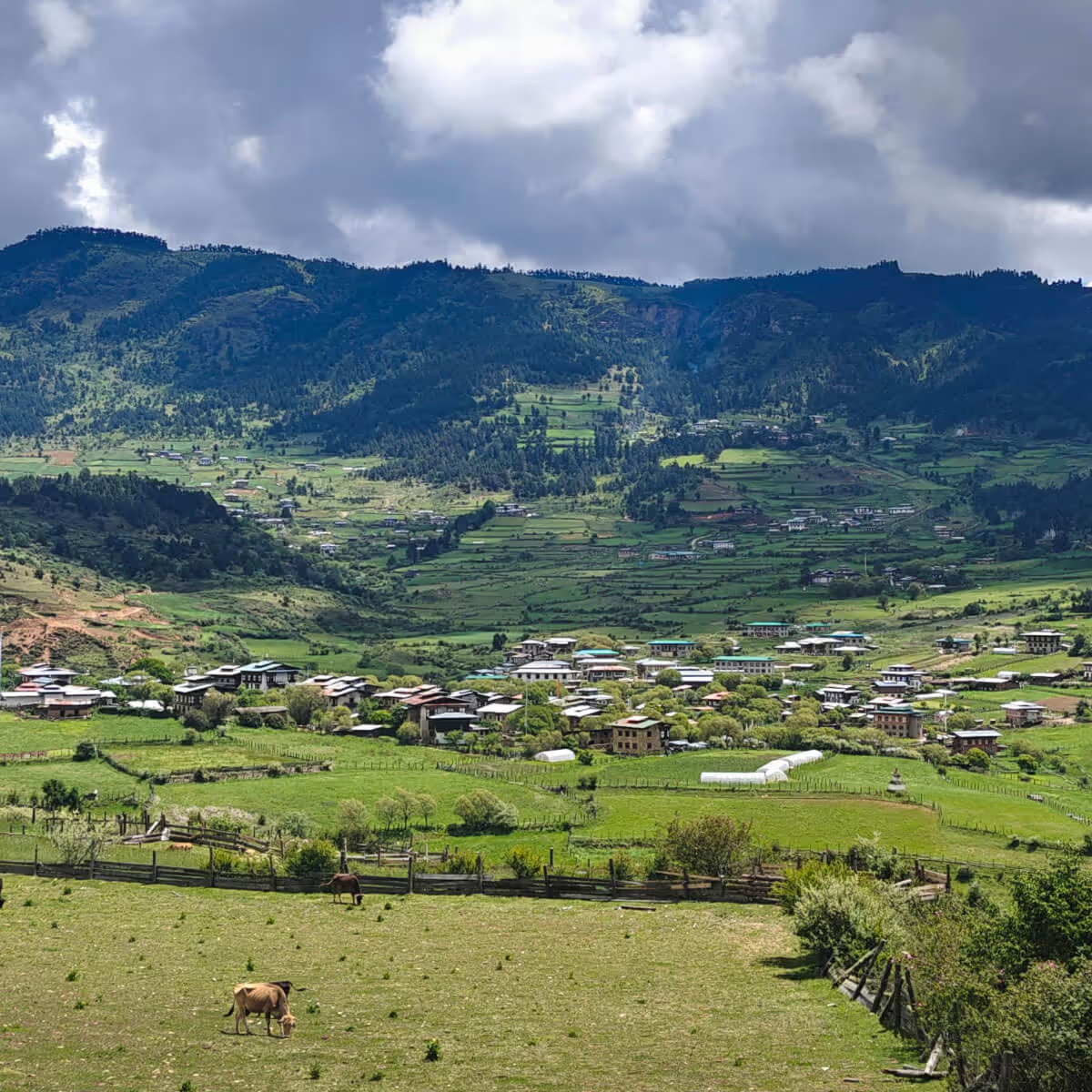
Follow the Gangtey Nature Trail through pine forest, bamboo, traditional villages, and open wetlands. During the winter season, black-necked cranes may be seen across the valley, although sightings cannot be guaranteed.
Later, explore the countryside on horseback at a comfortable pace.
Walk through traditional village lanes, meet farming families, and learn about daily life in this high-altitude valley. Where suitable and safely arranged, a local farmer may introduce you to the use of a small farm tractor.
Hiking: Approximately 4 km
Difficulty: Easy
Overnight: Phobjikha Valley
Travel east through forested mountains and changing valleys towards Trongsa.
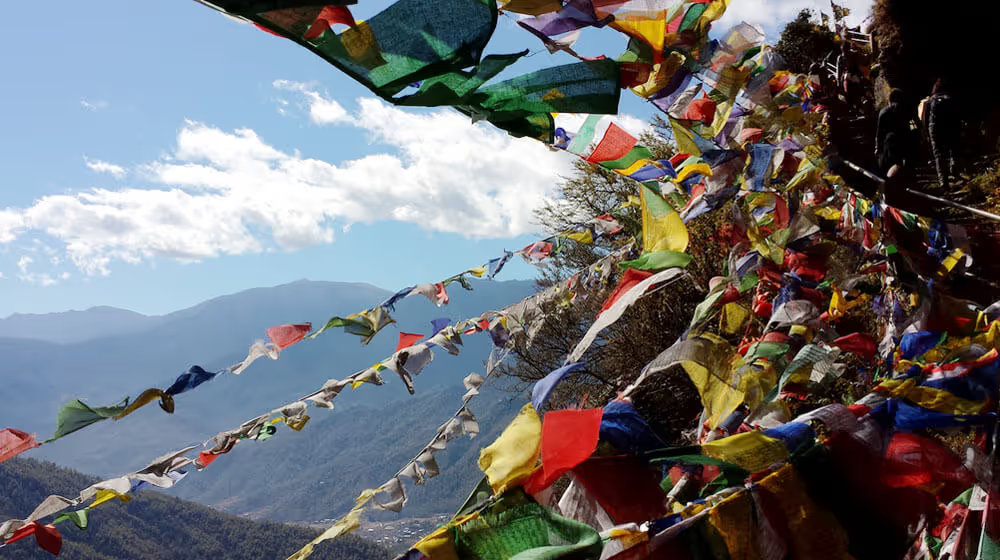
Pause at a carefully selected highland location to hoist prayer flags. With guidance from your Raven guide, take part respectfully in this meaningful Bhutanese tradition as the wind carries the printed prayers across the landscape.
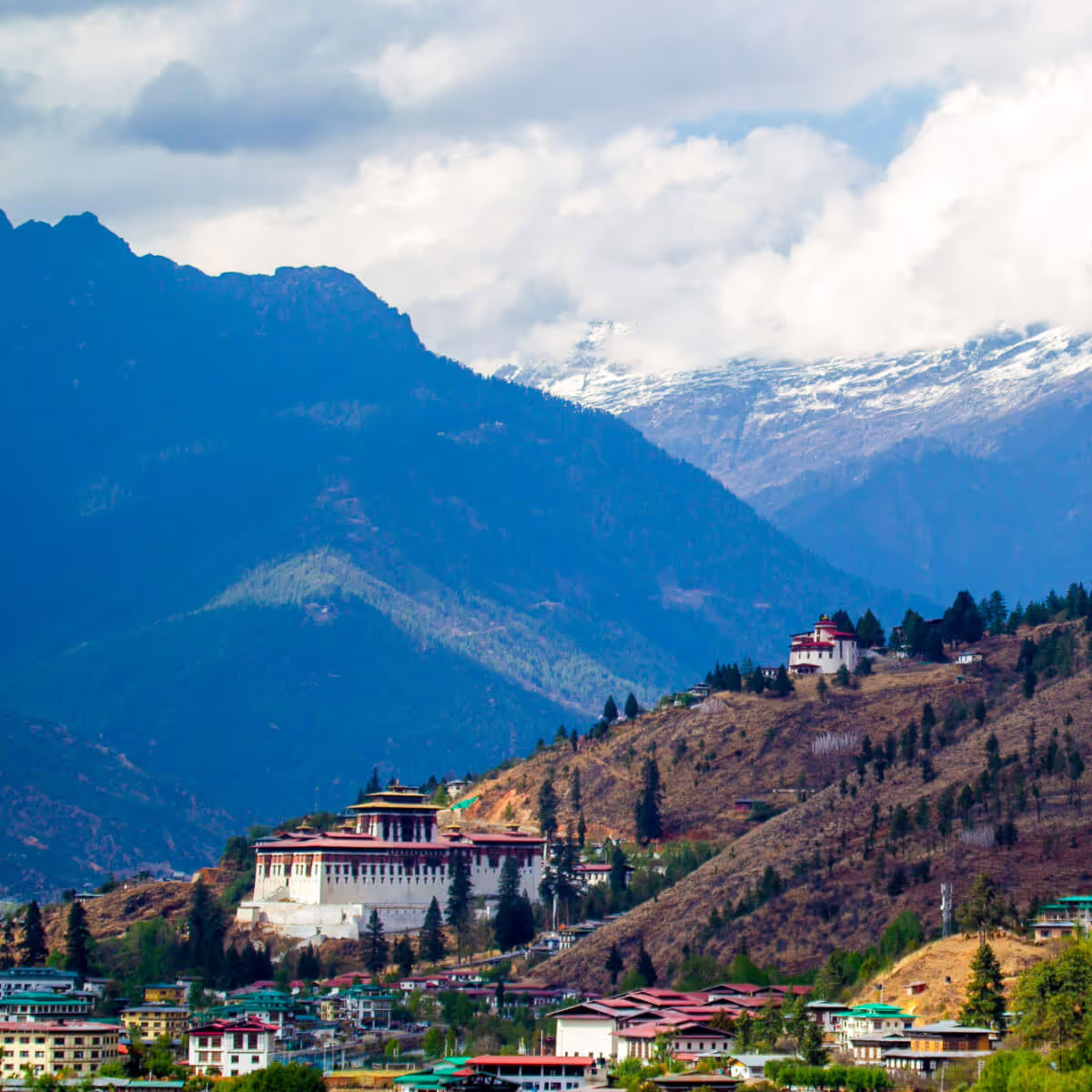
Continue to Trongsa and explore Trongsa Dzong, Bhutan’s largest fortress and an important part of the country’s royal history.
Its layered courtyards, temples, towers, and corridors overlook the Mangde Chhu Valley.
Settle into your hilltop accommodation and enjoy time to rest after the mountain journey.
Driving: Approximately 5–6 hours, excluding stops
Overnight: Trongsa
Visit a small green-tea garden in the Trongsa region and learn how tea is cultivated, hand-plucked, processed, and prepared in Bhutan’s cool mountain climate.
Continue to Bumthang and visit Wangduechhoeling Palace, associated with the beginnings of Bhutan’s hereditary monarchy.
Explore its restored galleries, royal history, sacred objects, and peaceful grounds.
In the evening, join local residents at Jambay Lhakhang for the dramatic Mewang fire blessing, often described to international travellers as Bhutan’s Fire Festival.
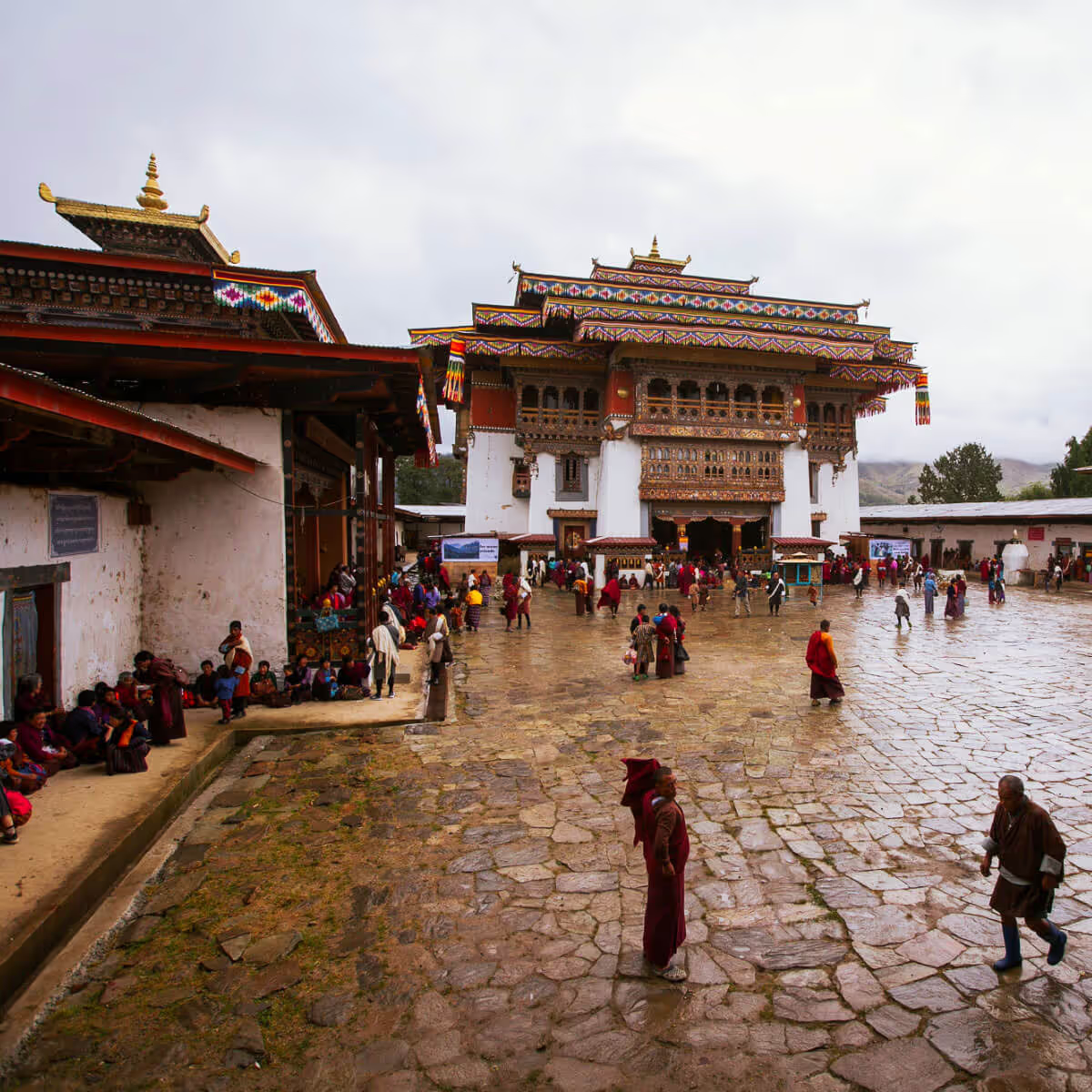
Ceremonial flames illuminate the ancient temple courtyard as local participants gather for a traditional ritual associated with purification, blessing, spiritual protection, and the removal of obstacles. It is one of the most atmospheric moments of Jambay Lhakhang Drup.
Your Raven guide will explain the meaning of the ceremony and help you experience it respectfully. The exact starting time will be reconfirmed closer to the festival.
Overnight: Bumthang
Travel into Tang Valley, one of Bumthang’s most peaceful and less-visited regions.
Pause at sacred Mebar Tsho where appropriate before continuing deeper into the countryside.
Begin a moderate walk through meadows, forest, village landscapes, and prayer-flagged ridges towards Ogyen Choling.
The valley feels distinctly removed from the busier parts of Bumthang and offers a closer look at rural life and traditional farming communities.
Explore Ogyen Choling’s ancestral complex and museum before settling into a heritage stay.
Enjoy a locally prepared meal and a quiet evening overlooking the village and surrounding fields.
Hiking: Approximately 12–15 km
Difficulty: Moderate
Shorter alternative: Available
Overnight: Tang Valley heritage stay
Leave Tang Valley on an old forest trail once used by monks, traders, wandering ascetics, and local travellers.
Walk through pine and rhododendron forest, quiet farm paths, hidden clearings, and prayer-flagged ridges before gradually returning towards Bumthang’s central valley.
Stop for a home-cooked lunch featuring regional dishes such as buckwheat pancakes, seasonal vegetables, cheese dishes, and freshly prepared momos.
Later, return to Jambay Lhakhang for the Tercham sacred naked dance, one of Bhutan’s rarest and most talked-about traditional rituals.
Performed during the nighttime programme of Jambay Lhakhang Drup, the ritual is commonly known to international travellers as Bhutan’s Naked Festival. However, it remains a sacred cultural ceremony rather than an entertainment performance. Your Raven guide will explain its history, symbolism, viewing etiquette, and photography restrictions before you attend.
Hiking: Approximately 9 km
Difficulty: Easy to Moderate
Overnight: Bumthang
Travel to Prakhar Lhakhang in Chhume Valley for Prakhar Duchhoed.
The smaller temple courtyard provides an intimate setting in which to observe sacred masked dances, traditional musicians, monks, and local families.
The temple is associated with the legend of white monkeys helping to complete its construction during the night.
Depending on the festival programme, continue to the Ugyen Wangchuck Institute for Conservation and Environmental Research to learn about Bhutan’s forests, butterflies, birds, mammals, and wildlife conservation.
Return towards Jakar and visit Kurjey Lhakhang, one of Bumthang’s most sacred religious complexes.
End with a relaxed walk through Jakar, its local shops, handicraft outlets, and small cafés.
Overnight: Bumthang
Take the scheduled domestic flight from Bumthang to Paro, subject to airline operation, visibility, and weather.
After arrival, try creating a small section of a sand mandala with guidance from a Bhutanese artisan.
The careful placement of coloured sand offers a quiet introduction to Buddhist ideas of balance, concentration, patience, and impermanence.
Later, visit Kyichu Lhakhang, one of Bhutan’s oldest and most sacred temples.
Spend the remainder of the afternoon settling into Paro and resting after your journey through central Bhutan.
Overnight: Paro
Begin early for the hike to Paro Taktsang, better known as Tiger’s Nest Monastery.
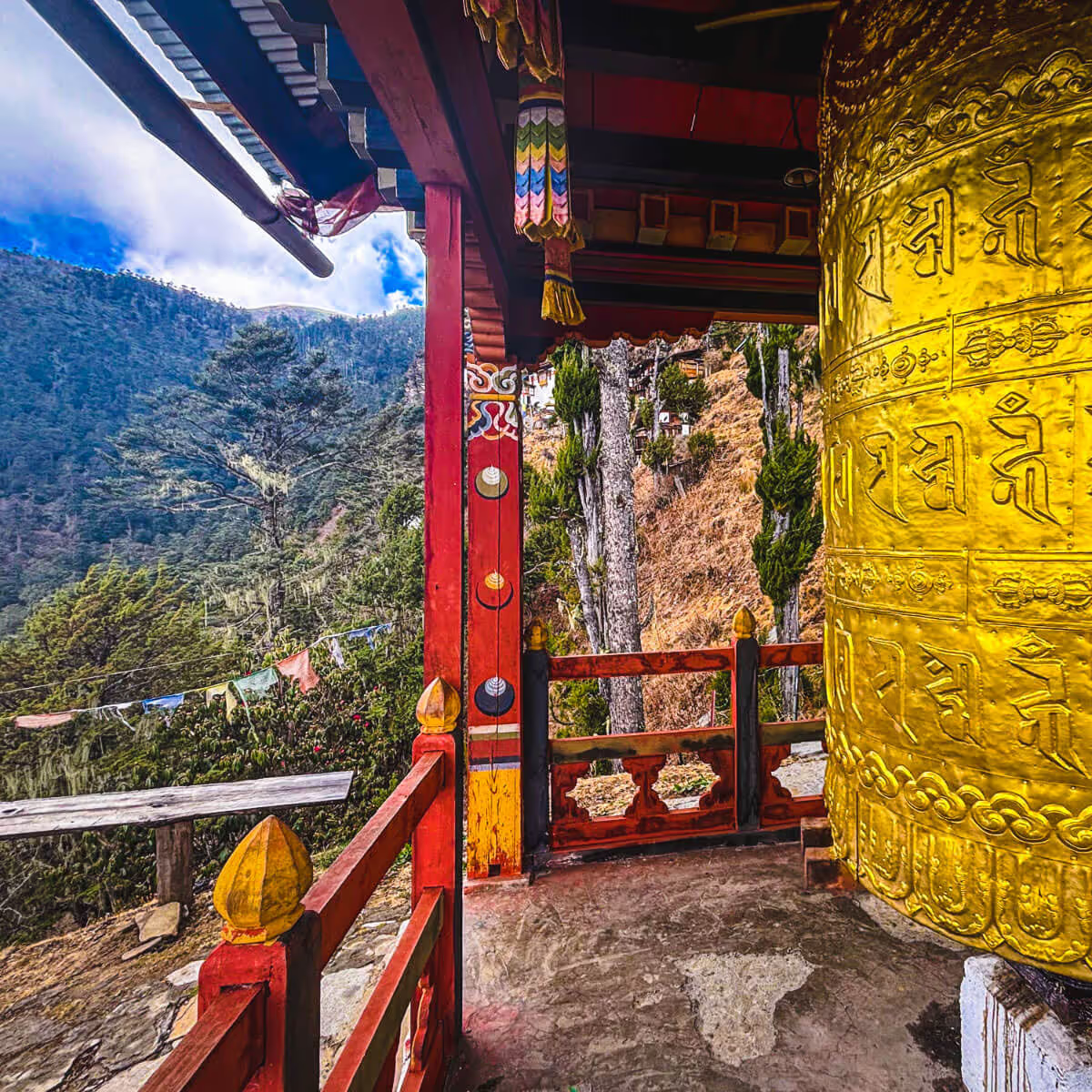
Walk steadily through pine forest, passing prayer wheels and viewpoints overlooking Paro Valley. Stop for tea, rest, and photographs at the halfway point before continuing to the monastery complex.
The ascent can be approached at your pace. A horse may be arranged for part of the uphill section if required, but horses are not used for the descent.
After completing the hike, enjoy a traditional Bhutanese hot stone bath prepared with heated river stones and local herbs.
Conclude your journey with a relaxed farewell evening in Paro.
Hiking: Approximately 6.5 km round trip
Elevation Gain: Approximately 520 metres
Difficulty: Moderate to Challenging
Overnight: Paro
Enjoy breakfast and a final view of Paro Valley before your private transfer to Paro International Airport.
Your Raven guide and chauffeur will assist with your departure and bid you farewell after a journey shaped by sacred festivals, firelit rituals, the Tercham naked dance, monastery prayers, village hospitality, forest trails, and meaningful encounters across Bhutan.
Add a restorative massage, sauna, steam treatment, or spa experience in Trongsa, Bumthang, or Paro, subject to the selected accommodation.
Arrange a private discussion on Buddhist philosophy or a guided meditation session with a qualified teacher, subject to availability.
Extend the journey with a monastery stay, another night in Tang Valley, or additional time in Bumthang before returning to Paro.
Bhutanese festival dates follow the lunar calendar, while the exact timing and order of individual dances and rituals are determined by monasteries and local festival committees.
The journey dates provide the main framework, but Raven will reconfirm the Mewang fire blessing, Tercham naked dance, Prakhar mask dances, and other ceremonies closer to travel.
Minor changes to the daily programme may be necessary to protect access to the most meaningful festival experiences.
Guests should approach each festival respectfully, follow local dress and photography guidance, and understand that schedules can change without advance notice.

This journey reveals several distinct forms of Bhutanese festival life.
Dechenphu Tshechu introduces an intimate local celebration filled with sacred mask dances, traditional dress, music, prayer, and community participation.
Jambay Lhakhang Drup brings you into one of Bhutan’s most extraordinary nighttime celebrations. Its principal attractions include the dramatic Mewang fire blessing—often described as Bhutan’s Fire Festival—and the rare Tercham sacred naked dance, commonly known internationally as Bhutan’s Naked Festival.
Prakhar Duchhoed offers a different atmosphere, with sacred mask dances performed in a smaller rural temple courtyard surrounded by monks, musicians, and village families.
Together, these experiences create a festival journey that is visually powerful, culturally meaningful, and unlike a conventional sightseeing tour.
The authentic names should therefore remain on the page, but each should immediately be followed by the simple description guests understand: